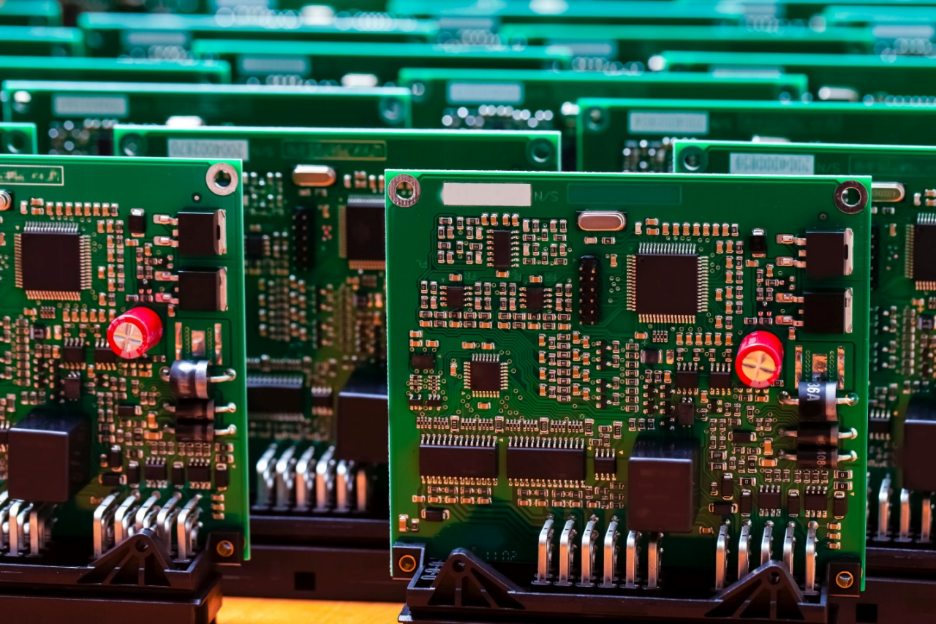
Ever attempted to hand solder extremely fine surface mount components? It can be a messy and aggravating situation! For me, one of the memories associated with printed circuit board assembly (PCBA) is the first time I attempted to hand-snap together a complicated PCB. My eyes were working so hard, my hands were shivering and I was making all kinds of solder bridges. Before I could even begin to dream of the possibility of creating custom electronics, I knew my dream was dead. But then, I stumbled upon the magic of solder stencil! It changed my PCBA assembly process from a “tedious” task to a very rewarding one. The technology may be complex and the components colorful, but the work goes on behind the scenes.
If you desire perfectly aligned components, beautiful shiny solder joints, and boards to function flawlessly the first time, then you came to the right spot. Let’s delve into why these simple sheets are the superstars of electronics manufacturing!
PCBA: The importance of solder stencil
The first time I heard about solder stencil, I thought of the plastic letter stencils I used in 5th grade art class. Truthfully, the idea is not too crazy! We’re using a heavy, metallic solder pastes, however, rather than paint. Let’s explain why these are so incredibly important to your next electronics project.
So, what is a solder stencil?
A solder stencil is a thin sheet of material (typically high-quality stainless steel) that has small, very accurate holes laser-cut into it. These holes (also called apertures) fit the surface-mount pads on your bare printed circuit board.
The method of use is just to place the stencil on top of your board, spread a thick blob of solder paste on top of the metal and then drag it out with a squeegee to spread it. Once you remove the stencil you’ll be left with a collection of solder paste that has been stuck into the perfect shape and placed exactly where your components must go. So enjoyable to watch!
So why is it essential to have a one for perfect boards? So, why do you really need one for perfect boards?
Perhaps you’re thinking, why use the stencil when you can use a syringe to put in the paste? For small, simple projects, you can probably do it for it, but anything more complicated, oh my! So, if you are looking to make the most out of your PCBA, here’s why solder stencils are a game-changer:
1. Unbeatable Precision!
Modern electronic components are becoming very small. We’re speaking of grains of sand! A laser-cut stainless steel stencil guarantees that just the proper quantity of solder paste is placed on those minuscule pads. If you put on too much paste, the components will short out and fuse. If not enough, the component will not connect. All the guessing is eliminated with the stencil!
2. Lightning-Fast Speed
When making more than one board, a stencil will save you many hours of back-breaking work. One of the things that I used to do with a syringe in my hand in 45mins, I can now do in 5sec using a stencil and a squeegee. You only need to swipe, lift and go to the next board. It is amazingly efficient!
3. Consistency 100% of the time!
The key to good electronics is to be consistent. With a stencil, the amount of paste you apply is completely determined by the thickness of the metal sheet and size of the laser-cut hole. This will result in getting the same awesome solder joints on your 50th board as you do on your first one.
Here is my best advice for stencil success!
So far, I have made many blunders and you don’t have to, either! Here are my top tips on how to use your solder stencils like a pro:
- Pay attention to the thickness! Don’t guess when it comes to stencil thickness. Typically, it is 0.1mm to 0.15mm (4 to 6 mils) in thickness. Where the components are very small, fine-pitch, then you will want to have a thinner stencil so that you don’t have a lot of globbing paste.
- Invest in electropolishing! Definitely consider having your manufacturer “electropolish” your stencil. Smooth the rough edges within laser-cut holes. Left up stencils sometimes leave traces of the paste on the board, but the electropolished ones release the paste clean and beautiful from the stencils!
- Keep it clean! Please be sure the solder paste is not left on the stencil. It will block those small holes and destroy your next set of boards. Use a lint-free wipe immediately with some isopropyl alcohol to wipe it down. Handle it gently and it will print for thousands of times!
Conclusion
I’m so over the moon excited I could talk about the amazing world of PCBA and solder stencils! So much can be achieved with such a simple, flat, metal part!
If you plan to assemble another project soon, and you want to do it easily and with pleasure, then take the time to get a good quality stencil for your next project. Your components will run smoothly on their pads in the reflow oven, then you’ll have a good-quality board that you can feel good about. Pick up your squeegee, prepare your paste, and have fun putting it together!
If you are looking for a fine PCBA provider, look no further than Optima Technology.
