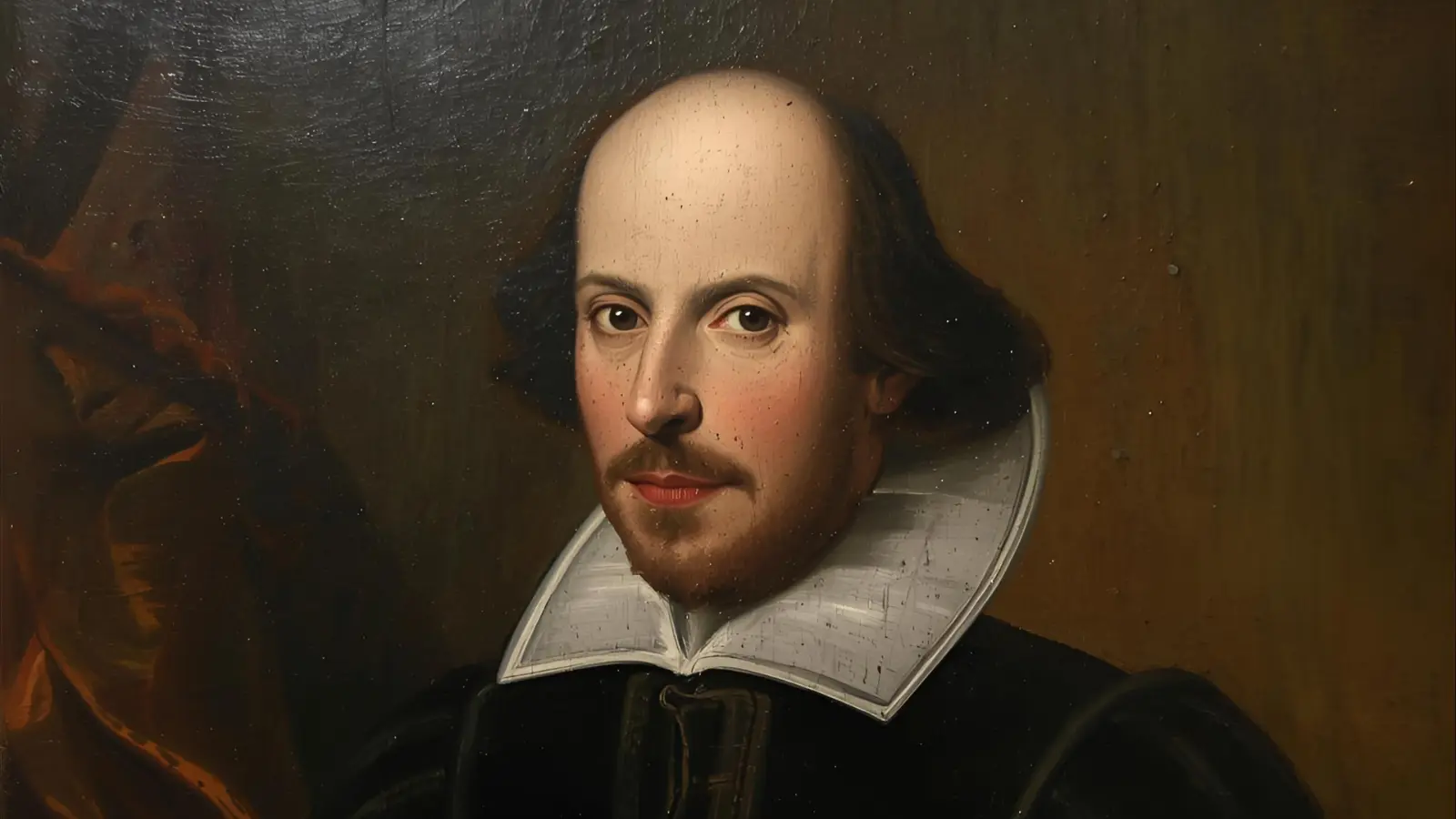
Puns were used by Shakespeare to dazzle his audience with double meanings, deliver jaw-dropping humor, and pack emotional punches in the most unexpected places. From tragedy to comedy, he wielded wordplay like a sword—sharp, bold, and cheeky.
Whether to mock, flirt, confuse, or provoke, Shakespeare’s puns had purpose, precision, and a whole lot of personality.
This deep dive explores how and why puns were used by Shakespeare to transform language into layered brilliance—across his characters, genres, and legendary lines.
🎭 Puns Were Used by Shakespeare To Show Off Character Cleverness
- Mercutio’s sass in Romeo and Juliet is basically a pun party with swords.
- Viola in Twelfth Night slings wordplay to keep her disguise sharp.
- Benedick in Much Ado About Nothing puns his way through flirt wars.
- Feste the fool in Twelfth Night uses puns to sound foolish—on purpose.
- Beatrice’s puns sting harder than Cupid’s arrows.
- Even grave diggers in Hamlet pun while digging up deep truths.
- Falstaff drinks, jokes, and puns—triple threat of comic relief.
- Richard III’s villainy is laced with wicked wit and wordplay.
- Touchstone from As You Like It is a pun-slinging philosopher.
- King Lear’s Fool drops truths in pun-wrapped riddles.
- Rosalind in As You Like It uses puns to outsmart and outlove.
- Iago’s manipulation in Othello includes twisted puns.
- Hamlet’s madness comes with a side of razor-sharp puns.
- Lady Macbeth? Less punny, more stabby—but others pun around her.
- Bottom in A Midsummer Night’s Dream puns his way into a donkey.
- Puck’s entire personality is basically pun-fueled chaos.
🤯 Puns Were Used by Shakespeare To Add Layers of Meaning
- “Lie” can mean rest… or deceive. Shakespeare said, “Why not both?”
- “Grave man” in Romeo and Juliet—punning about death while dying.
- “Will” often refers to desire… and William himself. Double Will.
- “Nothing” in Much Ado About Nothing puns on “noting” or eavesdropping.
- The word “die” often refers to both death and orgasm. 😏
- “Measure for Measure” plays with justice, punishment… and double meanings.
- “Draw your neck out of collar” in Taming of the Shrew? Sneaky execution pun.
- “Country matters” in Hamlet—yeah, you know what he’s punning at.
- “Sun” vs. “son” in Richard III—dynasty wordplay.
- “Bear” in Winter’s Tale isn’t just an animal—it’s responsibility.
- “Catch cold” in Love’s Labour’s Lost—sick with love?
- “Light” as in mood, weight, or morality—pick your pun.
- “Host” in Henry IV puns on hospitality and religious sacrifice.
- “House” can be family, building, or dynasty—he uses all three at once.
- “Conceit” in Romeo and Juliet is more than just ego.
- “Game” means play… or prey. Depends on the scene.
💔 Puns Were Used by Shakespeare To Break and Heal Hearts
- Romeo’s love puns go from sweet to sorrow real fast.
- Juliet’s wordplay dances with life and death.
- Hamlet’s flirty puns with Ophelia are actually heartbreak in disguise.
- Cleopatra’s puns in Antony and Cleopatra are seductive and deadly.
- Rosalind’s puns soften heartbreak in As You Like It.
- Viola in disguise plays pun games that break her own heart.
- Beatrice and Benedick flirt and fight with puns.
- Orsino’s dramatic heart is as pun-filled as his love life.
- Cressida’s puns veil betrayal and longing.
- Troilus puns even as his heart breaks.
- Isabella in Measure for Measure wrestles purity through layered puns.
- Desdemona’s innocence shines through puns… and Iago twists them cruelly.
- Lavinia in Titus Andronicus lacks a tongue—but others pun around her silence.
- Pericles puns to cope with unspeakable loss.
- Antony’s fall is laced with puns about loyalty.
- Puns become a coping mechanism in the darkest plays.
🎉 Puns Were Used by Shakespeare To Bring the Laughs
- Bawdiness? Oh yes, and it’s pun-packed.
- Clowns and fools are the real stand-up comics.
- Shakespeare used food puns like a snack stand.
- Marriage jokes? He had them tied up.
- Gender mix-ups? He punned his way into confusion.
- Animal puns—because nothing’s funnier than a good ass joke.
- “Horn” jokes about cuckoldry? Wildly popular with the groundlings.
- Double entendre was his favorite party trick.
- Puns on names? He never missed a chance.
- Physical comedy + verbal puns = golden.
- Dirty jokes… but make it Elizabethan.
- His comedies literally revolve around pun-based confusion.
- Slapstick? Yes. Verbal slapstick? Even better.
- Some jokes were so bad, they circled back to brilliant.
- Crowd-pleasers that still hit 400 years later.
- He knew how to milk a pun till the cows came home. 🐄
🧐 Puns Were Used by Shakespeare To Mask Serious Themes
- Innocence lost behind a punny line.
- Loyalty questioned through clever quips.
- Power shifts hidden in witty exchanges.
- Tragic irony dressed as humor.
- Grief cloaked in laughter.
- Justice debated with punny logic.
- Madness spirals out in wordplay.
- Faith and betrayal crisscross in clever speech.
- Duty and desire pun-battle in monologues.
- Violence foreshadowed through innocent jokes.
- Sexual repression hidden in pun-packed banter.
- Political satire disguised as word games.
- Moral dilemmas woven into comedic bits.
- Pun as a power play tool.
- Revenge plots masked by casual wit.
- Puns made tragedy sting harder.
🎭 Puns Were Used by Shakespeare To Keep Audiences Engaged
- Groundlings wanted action—and jokes.
- Nobles wanted intellect—and puns delivered.
- His plays were for everyone—wordplay made it so.
- Puns gave even side characters star moments.
- Repeat viewings? People came back for the lines.
- Puns became memes before memes existed.
- Every pun was a chance to connect.
- Audience members competed to catch double meanings.
- Theatres echoed with “oooooh!” after a pun landed.
- His wordplay rewarded attention.
- People quoted his jokes in taverns.
- Actors leaned into puns for applause.
- He knew laughter = engagement.
- Even the tragedies made room for pun relief.
- Audiences lived for cheeky dialogue.
- Pun power = box office gold.
🧠 Puns Were Used by Shakespeare To Flex Intellectual Muscle
- Wordplay proved you were sharp.
- Nobility loved clever comebacks.
- Puns elevated language to sport.
- Verbal sparring became Shakespeare’s chessboard.
- Characters who punned were perceived as intelligent.
- Fools weren’t foolish—they were pun-literate geniuses.
- Philosophy often snuck in via puns.
- Wit was power, and puns were proof.
- Students studied puns to unlock deeper meanings.
- Court jesters doubled as political critics through punning.
- Puns tested memory, logic, and rhythm.
- His puns balanced artistry and intellect.
- Actors had to understand to deliver them.
- Clever lines earned reputation.
- Even villains sounded brilliant through puns.
- Shakespeare’s reputation? Built partly on pun prowess.
✅ Conclusion: Puns Were Used by Shakespeare To Do Everything from Wooing to Wounding
Whether he was wooing the audience with a romantic quip or wounding a rival through verbal wit, puns were used by Shakespeare to dazzle, devastate, and define his characters.
These wordplay gems weren’t just for laughs—they were tools of transformation, revealing deeper truths, emotions, and human contradictions.
Next time you hear a clever pun, tip your hat to the Bard—he did it first, and he did it best. 🎭💬

Emily Carter is a humor writer from Portland who specializes in witty puns and clever one-liners. Her playful style makes even the most serious topics laugh-worthy.