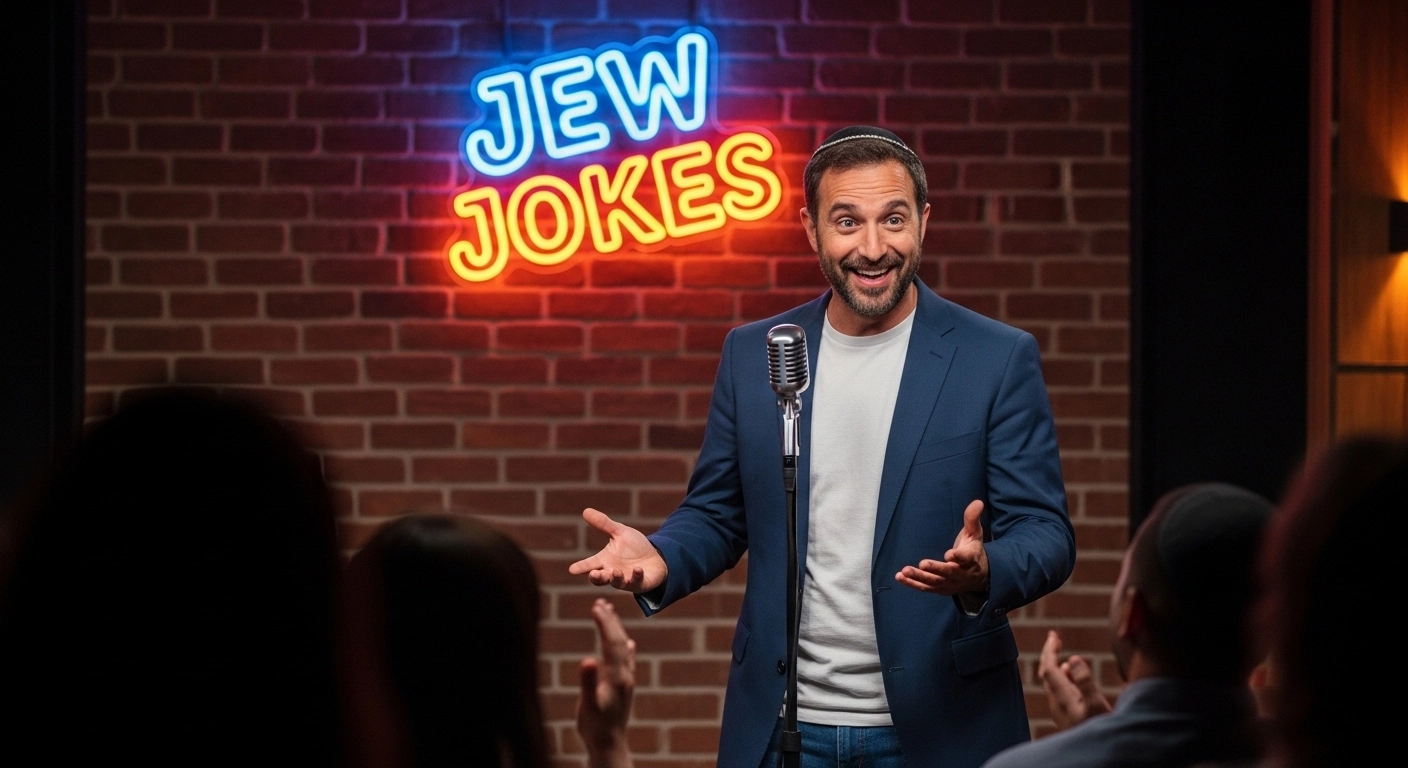
Humor has always been a mirror of society, reflecting the joys, struggles, and idiosyncrasies of communities. Among these, Jew jokes hold a unique place not merely as entertainment, but as a lens through which Jewish culture, resilience, and identity are shared with the world.
From bustling streets of Brooklyn to intimate family gatherings, these jokes carry generations of storytelling, emotional nuance, and subtle social commentary.
They aren’t just punchlines—they’re living history, a way of laughing at adversity, connecting through shared experience, and sometimes even challenging stereotypes with wit and wisdom.
In this article, we will explore Jew jokes in a deeply human, informative, and emotionally engaging way. We’ll unravel the layers behind the humor, understand its cultural roots, and highlight how it resonates with audiences today.
Whether you’re here to learn, laugh, or gain insight into Jewish cultural expression, this guide is crafted for curiosity and connection.
The Origins of Jew Jokes: From Tradition to Modernity
- 🕍 Ancient Roots – Jewish humor traces back to biblical times, with stories using wit to teach moral lessons.
- 📜 Diaspora Influence – As Jews spread globally, jokes evolved, blending with local humor styles.
- 🏠 Family Stories – Many jokes started in households, passed down as cultural oral history.
- 🎭 Theatrical Humor – Yiddish theater helped popularize clever wordplay and situational jokes.
- 🧩 Cultural Resilience – Humor became a coping mechanism during adversity and persecution.
- 🖋️ Literary Jokes – Authors like Sholem Aleichem embedded jokes into novels and plays.
- 🎶 Musical Comedy – Songs and klezmer performances often included playful, comedic elements.
- 🧠 Intellectual Humor – Jewish jokes often rely on clever reasoning, irony, and paradox.
- 🌎 Global Variations – Different regions gave rise to distinct joke styles, from Eastern Europe to Israel.
- 🧵 Storytelling Art – A single joke often carried multiple layers of meaning and emotion.
- 🤝 Social Bonding – Humor reinforced community cohesion and mutual understanding.
- 📚 Historical Documentation – Jokes reflect social attitudes, politics, and daily life of the era.
- 😅 Self-Reflection – Many jokes are self-deprecating, highlighting Jewish quirks with affection.
- 🔄 Modern Reinventions – Today, jokes continue evolving online, merging tradition with pop culture.
Why Jew Jokes Resonate Across Cultures
- 🌍 Universal Themes – Family, money, marriage, and identity resonate universally.
- 😂 Relatable Situations – Everyday struggles depicted humorously connect globally.
- 💡 Intellectual Playfulness – Clever wordplay and paradox appeal to diverse audiences.
- 🤗 Emotional Connection – Humor conveys empathy and shared human experience.
- 🧩 Layered Meaning – Jokes operate on multiple levels, engaging both casual and analytical minds.
- 🏛️ Cultural Education – Through jokes, outsiders learn about Jewish history and customs.
- 💬 Conversation Starters – They spark discussions about values, ethics, and identity.
- 📺 Media Amplification – TV shows, films, and social media spread Jewish humor worldwide.
- 🕊️ Tolerance Through Humor – Playful satire can soften cultural misunderstandings.
- 🎨 Creative Expression – Joke-telling is an art form, blending wit, storytelling, and emotion.
- 🤹 Balancing Seriousness – Humor balances the weight of historical and modern challenges.
- 🔄 Timelessness – Themes remain relevant across generations.
- 🧭 Navigating Stereotypes – Self-aware jokes reclaim narratives while teaching nuance.
- 🥂 Celebratory Spirit – They enhance festive occasions, creating joy and memory.
The Structure of a Great Jew Joke
- 📝 Setup and Punchline – Clear setup followed by a clever twist engages instantly.
- 🎯 Focused Theme – Often revolves around family, money, or daily dilemmas.
- 🧠 Cognitive Twist – Uses irony, exaggeration, or contradiction to surprise.
- 🗣️ Conversational Tone – Casual, relatable delivery makes it feel personal.
- 🎭 Exaggeration with Respect – Hyperbole highlights quirks without cruelty.
- 🔍 Cultural Context – Relies on shared knowledge or traditions.
- 💌 Emotional Layering – Touches empathy, nostalgia, or warmth.
- 🤔 Self-Reflective Punch – Often pokes fun at the teller or culture itself.
- 🌀 Call-Backs – Repeating motifs enhance recognition and laughter.
- 🌟 Memorable Characters – Names, personalities, and archetypes enrich jokes.
- ⏱️ Timing Precision – Pauses and pacing are critical for impact.
- 📚 Storytelling Integration – Some jokes unfold as mini-narratives.
- 🧬 Wordplay Genius – Puns, Yiddishisms, and linguistic creativity shine.
- 🤗 Shared Understanding – Relies on audience recognition and connection.
Self-Deprecation in Jew Jokes: The Art of Laughing at Yourself
- 😅 Cultural Self-Awareness – Highlights common human foibles within Jewish life.
- 💎 Humility Through Humor – Shows wisdom and grace while laughing at oneself.
- 🏡 Family Relatability – Many jokes start in family interactions, relatable to all.
- 🤹 Balancing Pride and Playfulness – Self-deprecation honors tradition while keeping it fun.
- 📜 Historical Roots – Jews historically used humor to navigate social marginalization.
- 🧠 Cognitive Play – Turning stereotypes into clever wordplay reframes perception.
- 🌍 Cross-Cultural Appeal – Outsiders enjoy clever humility without offense.
- 🎯 Gentle Satire – Targets quirks, not individuals, fostering inclusive laughter.
- 💬 Conversation Bridges – Sparks dialogue about identity and resilience.
- 🎭 Comedic Skill – Requires emotional intelligence to balance sensitivity and wit.
- 🕊️ Empowerment Through Humor – Converts vulnerability into strength.
- 🥂 Social Lubricant – Eases tension in mixed-company settings.
- 🔄 Enduring Popularity – Self-deprecating jokes remain timeless and fresh.
- 🧩 Emotional Resonance – Evokes empathy and warmth alongside laughter.
Jew Jokes in Modern Media: From Sitcoms to TikTok
- 📺 Classic TV Shows – Series like “Seinfeld” popularized clever Jewish humor.
- 🎬 Film Influence – Movies often incorporate witty Jewish archetypes.
- 🎵 Musical Comedy – Stand-up specials blend music, language, and cultural jokes.
- 📱 Social Media Virality – TikTok and Instagram amplify short-form humor globally.
- 🗞️ Print Media Legacy – Magazines historically showcased Jewish comedic writers.
- 🧑🎤 Stand-Up Icons – Comedians like Joan Rivers or Larry David crafted signature styles.
- 🎤 Podcast Integration – Conversations around culture and humor engage new audiences.
- 💻 Digital Storytelling – Memes, threads, and reels modernize traditional jokes.
- 🎨 Illustrated Humor – Cartoons and comics visually narrate Jewish wit.
- 🏆 Award Recognition – Jewish comedy consistently wins accolades for creativity.
- 🤝 Collaborative Influence – Humor crosses cultural lines, shaping mainstream media.
- 🔄 Adaptation and Evolution – Classic jokes get reinterpreted for contemporary audiences.
- 🌟 Cultural Pride – Media representation fosters connection and identity affirmation.
- 🧩 Audience Engagement – Encourages comments, shares, and participation in humor.
The Ethics of Jew Jokes: Balancing Humor and Respect
- ⚖️ Context Matters – Audience, timing, and setting are crucial.
- 🕊️ Intent vs. Impact – Humor should aim for connection, not harm.
- 🤔 Avoiding Stereotype Reinforcement – Self-aware jokes educate rather than demean.
- 📚 Historical Sensitivity – Holocaust-related humor requires careful handling.
- 💡 Empathy-Driven Humor – Prioritizes understanding and respect.
- 🎯 Satire with Purpose – Critiques social norms, not people’s identity.
- 🧩 Layered Messaging – Clever jokes can challenge assumptions subtly.
- 💬 Open Dialogue – Discussing humor ethics strengthens community trust.
- 🏛️ Cultural Consultation – Engaging Jewish voices ensures authenticity.
- 🤹 Balancing Freedom and Sensitivity – Creativity thrives with responsibility.
- 🔄 Learning from Feedback – Audience reactions guide joke evolution.
- 🛡️ Protecting Vulnerable Communities – Avoid jokes targeting marginalized individuals.
- 🌍 Cross-Cultural Understanding – Humor can unite diverse audiences respectfully.
- 🥂 Celebratory Humor – Positive jokes celebrate culture and human experience.
Classic Jew Jokes That Teach Life Lessons
- 🏠 Family Negotiation – Highlights patience and love in daily interactions.
- 💰 Money Wisdom – Humor reflects values around thrift, generosity, and negotiation.
- 🤝 Friendship Dynamics – Teaches loyalty, support, and playful banter.
- 🎭 Self-Reflection – Encourages looking inward with lightheartedness.
- 🧩 Problem-Solving – Clever twists inspire creative thinking.
- 📚 Cultural Knowledge – Preserves traditions, holidays, and rituals.
- 🕰️ Historical Perspective – Offers insight into societal changes over time.
- 🌟 Moral Lessons – Uses wit to communicate ethics subtly.
- 🗣️ Conversation Starters – Opens dialogue on shared experiences.
- 💡 Critical Thinking – Encourages questioning assumptions and norms.
- 🎯 Resilience Through Humor – Laughing at challenges builds strength.
- 🥂 Celebratory Moments – Enhances joy in gatherings and holidays.
- 😄 Emotional Relief – Provides catharsis during stressful times.
- 🧠 Cognitive Flexibility – Fosters perspective-shifting and adaptability.
Jew Jokes and Emotional Intelligence: Reading Between the Lines
- 🧠 Understanding Nuance – Subtle humor develops social perception skills.
- 💬 Tone Awareness – Recognizing inflection and emphasis matters in delivery.
- 🤗 Empathy in Humor – Jokes often reveal shared human feelings.
- 🎯 Intent Interpretation – Distinguishing playful satire from offense.
- 🥂 Relationship Building – Humor strengthens bonds and trust.
- 🔄 Conflict Diffusion – Laughter eases tension in tricky situations.
- 🏛️ Cultural Literacy – Understanding context deepens emotional response.
- 🎭 Emotional Layering – Combines joy, nostalgia, and subtle sadness.
- 📚 Memory Enhancement – Stories embedded in jokes stick emotionally.
- 💎 Perspective-Taking – Encourages seeing the world from multiple angles.
- 🤹 Social Adaptability – Knowing when and how to use humor.
- 🌟 Self-Regulation – Emotional control enhances comedic timing.
- 🧩 Interpersonal Insight – Recognizing audience reactions boosts effectiveness.
- 💡 Mindful Reflection – Humor invites contemplation and personal growth.
Jew Jokes and Identity: Humor as a Cultural Anchor
- 🕍 Preserving Traditions – Jokes transmit rituals, holidays, and norms.
- 📜 Shared Language – Yiddish expressions enrich joke identity.
- 🎨 Cultural Pride – Humor affirms Jewish heritage proudly.
- 🤝 Community Connection – Jokes create belonging and recognition.
- 💡 Self-Definition – Humor shapes personal and collective identity.
- 🧠 Cognitive Heritage – Cleverness is celebrated as a cultural value.
- 🏡 Family Legacy – Stories passed down bind generations.
- 🎭 Role of Archetypes – Familiar characters reinforce identity markers.
- 🌍 Global Diaspora – Jokes evolve, reflecting diverse Jewish experiences.
- 💬 Narrative Empowerment – Humor allows storytelling control.
- 🔄 Adaptive Tradition – Modern jokes honor roots while embracing innovation.
- 🥂 Festive Anchoring – Humor punctuates celebrations and milestones.
- 🧩 Identity Affirmation – Laughing at oneself strengthens self-awareness.
- 🎯 Legacy Continuation – Jokes ensure cultural memory persists.
Jew Jokes in Interfaith and Cross-Cultural Contexts
- 🌍 Bridging Gaps – Humor introduces Jewish culture to diverse audiences.
- 🤗 Shared Humanity – Common experiences make jokes relatable universally.
- 🎨 Collaborative Creativity – Comedians mix influences respectfully.
- 🧠 Intellectual Exchange – Wordplay and wit transcend borders.
- 💬 Dialogue Initiation – Opens discussions about religion, ethics, and traditions.
- 🏛️ Historical Context – Helps outsiders understand Jewish resilience.
- 🔄 Adapted Humor – Universal themes like family and work resonate widely.
- 🎭 Respectful Satire – Promotes laughter without cultural harm.
- 🥂 Cultural Appreciation – Encourages curiosity and learning.
- 📚 Educational Value – Jokes function as informal cultural lessons.
- 🤹 Entertainment Universality – Humor transcends language and geography.
- 🌟 Identity Celebration – Shares pride while inviting cross-cultural enjoyment.
- 🧩 Social Bonding – Humor creates bridges across faiths and communities.
- 💡 Ethical Awareness – Teaches sensitivity while fostering inclusivity.
Jew Jokes Online: Meme Culture and Digital Humor
- 📱 TikTok Trends – Short videos condense jokes with viral punchlines.
- 💻 Reddit Communities – Shared humor strengthens niche fandoms.
- 🎨 Illustrative Memes – Cartoons and visuals enhance comedic impact.
- 🔄 Viral Repurposing – Classic jokes adapted for modern audiences.
- 🧠 Clever Editing – Timing and visuals heighten punchlines online.
- 🤔 Satire and Commentary – Digital humor critiques culture and society.
- 🎯 Engagement Metrics – Likes, shares, and comments track resonance.
- 🌟 Interactive Humor – Audiences remix jokes creatively.
- 💬 Community Norms – Online spaces shape joke ethics and sensitivity.
- 🏆 Influencer Contributions – Comedians leverage platforms for exposure.
- 🧩 Hybrid Formats – Text, video, and audio combine in digital storytelling.
- 📚 Educational Twist – Informative memes teach history subtly.
- 🤹 Social Adaptation – Humor reflects real-time cultural shifts.
- 🥂 Celebratory Digital Spaces – Online sharing strengthens communal joy.
Crafting Your Own Jew Jokes: Tips and Techniques
- 📝 Understand Context – Know audience, culture, and sensitivities.
- 🎯 Choose Relatable Themes – Family, identity, work, and festivals resonate.
- 🤔 Play with Irony – Contrasts and contradictions elevate humor.
- 💬 Use Conversational Language – Natural speech makes jokes engaging.
- 🧩 Integrate Yiddish Words – Adds authenticity and cultural depth.
- 🎭 Incorporate Archetypes – Recurring characters enhance recognition.
- 🕊️ Balance Respect and Humor – Avoid harmful stereotypes.
- 🔄 Test Timing and Delivery – Pause and emphasis matter.
- 🧠 Layer Meaning – Multiple interpretations enrich impact.
- 🌟 Self-Deprecation Wisely – Poke fun at quirks with affection.
- 🏛️ Research Traditions – Cultural literacy ensures accuracy.
- 🤝 Engage Audience Feedback – Improves delivery and relevance.
- 💡 Evolve Continuously – Adapt classic jokes to modern context.
- 🥂 Celebrate Shared Laughter – Humor’s ultimate goal is connection.
Jew Jokes and Mental Health: Healing Through Humor
- 😄 Stress Relief – Laughter reduces tension and fosters calm.
- 💬 Emotional Expression – Humor helps articulate feelings safely.
- 🧠 Cognitive Flexibility – Seeing absurdities strengthens adaptability.
- 🥂 Social Bonding – Shared laughter supports relationships.
- 🌟 Resilience Building – Humor aids coping with adversity.
- 🎯 Perspective Shift – Reframing challenges through jokes improves outlook.
- 🤗 Empathy Enhancement – Jokes convey emotional insight subtly.
- 🏛️ Historical Coping Mechanism – Jews historically used humor to endure hardship.
- 🔄 Routine Mood Boost – Daily jokes create consistent positivity.
- 💡 Mindfulness Practice – Observing humor nurtures present-moment awareness.
- 🧩 Problem-Solving Aid – Creativity sparks from playful thinking.
- 🎭 Stress Buffer – Humor decreases psychological strain.
- 🤹 Emotional Regulation – Laughter supports balance and patience.
- 🏡 Community Healing – Humor strengthens collective resilience.
The Future of Jew Jokes: Tradition Meets Innovation
- 🌐 Digital Expansion – Online platforms broaden audience reach.
- 🎭 Fusion with Pop Culture – Integration with global trends refreshes humor.
- 🧩 Interactive Formats – AR, VR, and interactive storytelling enhance engagement.
- 📱 Meme Evolution – Classic jokes morph into shareable visual formats.
- 💬 Conversational AI – Technology introduces new joke-telling tools.
- 🏛️ Cultural Preservation – Archiving jokes ensures generational continuity.
- 🤝 Cross-Cultural Blending – Humor bridges communities globally.
- 🎯 Educational Platforms – Incorporating jokes in learning contexts enhances retention.
- 🧠 Algorithmic Humor Analysis – AI detects sentiment, nuance, and resonance.
- 🔄 Adaptive Storytelling – Dynamic personalization tailors jokes to audience.
- 🌟 Identity Celebration – Modern jokes reinforce pride and heritage.
- 🥂 Festive Innovation – Tech enhances communal celebration experiences.
- 🤗 Global Humor Networks – Online communities foster collective creativity.
- 💡 Legacy Continuity – Tradition and innovation coexist, ensuring vibrant future storytelling.
FAQ About Jew Jokes
1. Are Jew jokes offensive or harmful?
Jew jokes can be sensitive depending on intent, context, and audience. When told with empathy, self-awareness, and respect, they can celebrate culture rather than demean it. Historical awareness, avoiding harmful stereotypes, and focusing on shared human experiences ensures jokes remain inclusive and positive.
2. Why are self-deprecating Jew jokes so popular?
Self-deprecation creates relatability and humility while reinforcing cultural identity. By laughing at one’s own quirks, these jokes transform vulnerability into strength, connect people emotionally, and teach resilience through humor.
3. How do Jew jokes reflect Jewish culture?
Jew jokes often incorporate family dynamics, traditions, historical experiences, and linguistic nuances. They preserve cultural memory, convey moral lessons, and provide insight into Jewish identity, values, and everyday life.
4. Can non-Jews tell Jew jokes?
Yes, but cultural awareness and sensitivity are crucial. Understanding context, avoiding harmful stereotypes, and approaching humor with respect ensures it remains inclusive rather than offensive.
5. How have Jew jokes evolved online?
Online platforms like TikTok, Instagram, and Reddit adapt traditional jokes into memes, videos, and interactive formats. They merge classic storytelling with modern trends, reaching wider, global audiences.
6. Do Jew jokes have mental health benefits?
Absolutely. Humor relieves stress, promotes resilience, fosters social bonds, and encourages emotional expression. Historically, Jewish communities have used humor as a coping mechanism during adversity.
7. What makes a Jew joke successful?
A successful joke balances cleverness, cultural insight, emotional resonance, and ethical sensitivity. Timing, delivery, relatability, and layered meaning elevate a good joke into memorable, impactful humor.
8. Are Jew jokes only about stereotypes?
No. While some involve cultural traits, many celebrate values, family dynamics, history, and identity. Ethical jokes avoid harm and instead educate, connect, and entertain.
9. How can someone craft their own Jew jokes?
Research cultural context, choose relatable themes, employ wordplay, balance respect and humor, and test timing. Integrating authentic experiences or traditions adds depth and resonance.
10. Do Jew jokes have global appeal?
Yes. Themes like family, resilience, cleverness, and human quirks transcend cultural boundaries, making these jokes relatable and appreciated worldwide.
Conclusion
Jew jokes are far more than mere punchlines they are windows into culture, history, and human connection. They honor tradition while fostering laughter, resilience, and empathy, bridging generations and communities.
Whether shared around a holiday table or circulating online, these jokes remind us that humor is a timeless tool for understanding, belonging, and joy. Embracing them thoughtfully allows both Jews and non-Jews to celebrate identity, learn, and laugh together a shared cultural heartbeat expressed through wit, wisdom, and warmth.

Jason Miller is a comedy enthusiast based in Chicago who loves turning everyday situations into pun-filled punchlines. He’s known for his quirky, sharp wordplay.