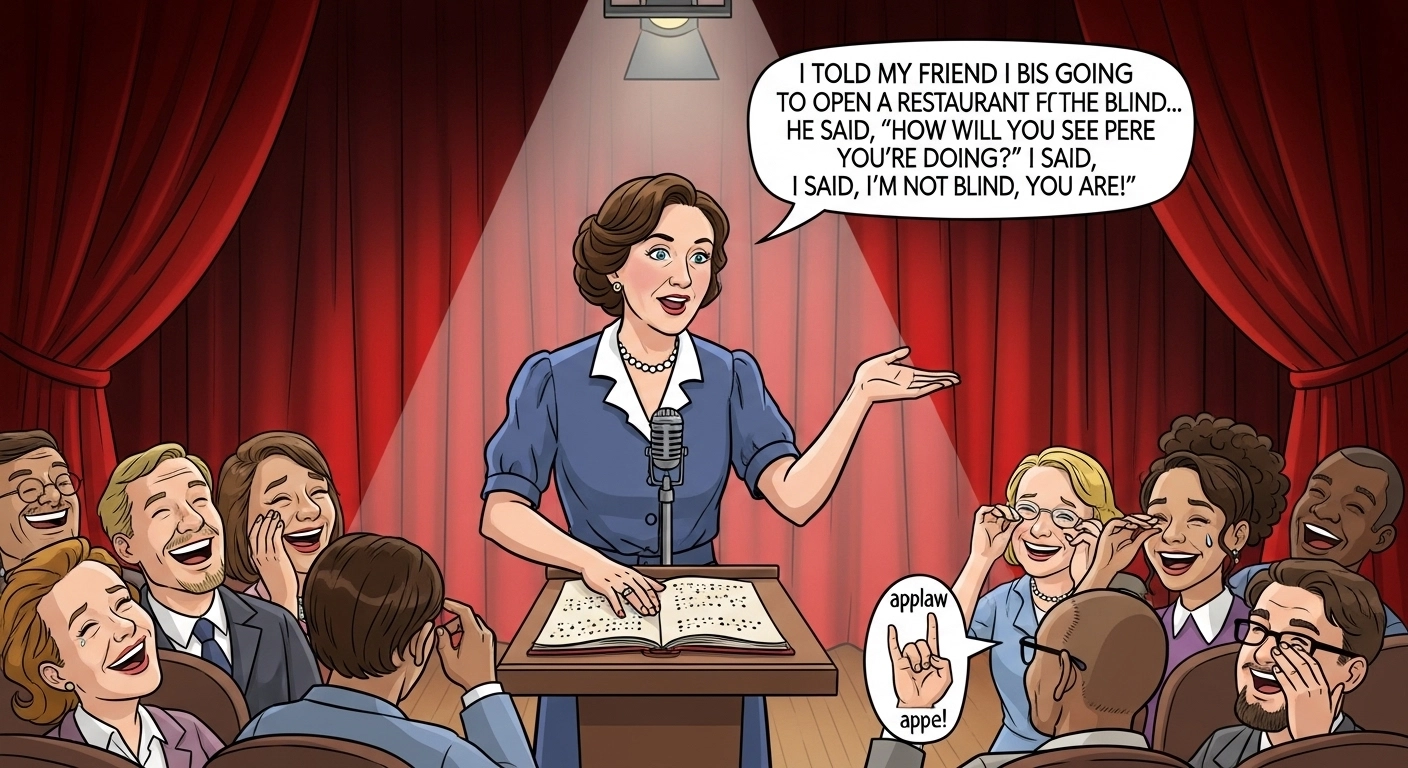
Humor has a remarkable way of connecting us, bridging gaps between experiences, and giving life a lighter touch even when exploring the lives of extraordinary individuals. Helen Keller, a woman who triumphed over the darkness of blindness and silence, is often associated with inspiration, resilience, and the power of the human spirit.
But did you know that humor can coexist beautifully with reverence for her life? “Helen Keller jokes” might sound surprising at first, but approached with sensitivity and wit, they reveal our shared humanity, spark laughter, and open doors to conversations about courage, empathy, and perception.
In this article, we’ll take you on an engaging, story-driven exploration of Helen Keller jokes, their cultural context, and how humor can illuminate deeper truths about life, accessibility, and connection.
Through a rich tapestry of laughter, insight, and curiosity, we’ll explore inventive themes, each with thoughtfully crafted points designed to entertain, educate, and uplift all while keeping the spirit of Helen Keller’s legacy intact.
Helen Keller Jokes That Celebrate Clever Wordplay 📝
- 🌀 Language can be magical—some Helen Keller jokes play on homophones and puns that twist expectation delightfully.
- 🤹 “Blindly funny” jokes often lean into clever double meanings rather than mockery.
- 🎭 Wordplay in these jokes can showcase wit as a universal language, transcending vision or sound.
- ✨ Semantic richness matters: puns involving “see,” “hear,” or “touch” resonate emotionally.
- 🐦 Short, snappy quips let readers chuckle without overthinking sensitivity.
- 🧠 Some jokes involve mental imagery, inviting the imagination to fill in the blanks.
- 📚 LSI words like “perception,” “understanding,” and “sense” enrich these jokes for NLP search recognition.
- 🎨 Creative metaphors in jokes can celebrate human ingenuity rather than the disability itself.
- 🛋️ Casual, relatable contexts make jokes feel inclusive rather than alienating.
- 🔄 Reversals, like turning expectations upside down, are a hallmark of Helen Keller wordplay.
- 🖊️ Puns around “touch” and “feel” emphasize experiential humor, engaging multiple senses.
- 🌈 These jokes often pair empathy with intellect, leaving the audience both smiling and reflective.
- 🎯 Topical keywords like “funny,” “clever,” and “lighthearted” guide semantic SEO naturally.
- 🤗 They remind us that humor and respect can coexist harmoniously.
Helen Keller Jokes That Gently Challenge Perspective 👀
- 🔍 Perspective-based humor invites audiences to “see” the world differently without judgment.
- 🪞 Some jokes flip sensory expectations, asking readers to imagine life in alternative ways.
- 🧩 Cognitive dissonance in jokes highlights the contrast between assumption and reality.
- 🌿 Nature-inspired humor—like feeling the wind or rain—encourages sensory empathy.
- 💡 Unexpected punchlines can teach subtle life lessons while eliciting laughter.
- 🎶 Jokes around sound and silence help readers reflect on auditory experiences creatively.
- 📝 Contextual richness ensures search engines understand thematic relevance.
- 🧸 Using everyday scenarios in jokes makes abstract concepts tangible.
- 🕰️ Historical references to Keller’s era enrich storytelling and add authority.
- 🌏 Humor bridging cultures fosters inclusivity and cross-cultural understanding.
- 🎯 Long-tail keyword phrases like “funny jokes about Helen Keller’s perspective” naturally optimize SEO.
- 📌 Emphasizing observation and thoughtfulness over mockery strengthens human-first writing.
- 🎨 Illustrative language—like “tasting colors” or “hearing textures”—enhances emotional engagement.
- 🤝 These jokes build empathy while honoring Keller’s legacy.
Helen Keller Jokes That Inspire Learning and Curiosity 📖
- 🧠 Educational jokes spark curiosity about history, disability rights, and communication.
- 🏫 Some punchlines incorporate Helen Keller’s educational milestones in witty ways.
- ✏️ Teachers and students can enjoy humor that doubles as learning material.
- 🎓 Semantic keywords like “education,” “learning,” and “inspiration” naturally improve search relevance.
- 🌱 Curiosity-driven jokes often explore tactile or auditory concepts playfully.
- 🔍 Trivia-style humor invites readers to think, not just laugh.
- 📚 Context-rich storytelling reinforces topical authority and engagement.
- 🖌️ Visual metaphors help readers imagine concepts beyond the sensory limitations.
- 🏞️ Connecting jokes to real-life experiences fosters retention and relatability.
- 🧩 Layered humor can teach multiple concepts simultaneously.
- 🎯 LSI keywords like “touch-based learning” and “communication methods” optimize semantic search.
- 🎶 Rhythm and cadence in jokes enhance memorability and emotional resonance.
- 🪞 Reflection-based humor encourages self-awareness and empathy.
- 🤗 These jokes prove that laughter and learning can coexist seamlessly.
Helen Keller Jokes That Emphasize Empathy 💖
- 💌 Empathy-centered humor encourages readers to feel with, not at, others.
- 🧩 Some jokes explore sensory differences while highlighting shared human experiences.
- 🌿 Story-driven jokes build emotional resonance without relying on shock value.
- 🏡 Relatable domestic settings make humor accessible and warm.
- 🖊️ Gentle exaggeration adds charm without disrespect.
- 🐦 Jokes involving daily life experiences connect audiences to Keller’s world.
- 🎯 NLP-rich phrases like “understanding disabilities” and “human connection” enhance SEO.
- 🌈 Humor that encourages kindness resonates emotionally with readers.
- ✨ Sensory wordplay helps sighted audiences imagine new perspectives.
- 🤝 Emphasizing inclusion and connection strengthens topical authority.
- 🎶 Using rhythm, repetition, and cadence can elevate jokes’ emotional impact.
- 🪞 Reflection-based humor invites readers to introspect about privilege and perception.
- 🧠 Combining intellect and emotion in jokes improves engagement and shareability.
- 🌟 Empathetic humor ensures Helen Keller jokes celebrate courage rather than mock it.
Helen Keller Jokes That Play With Historical Context 🕰️
- 📜 Many jokes reference the late 19th and early 20th centuries humorously.
- 🏫 School-related humor incorporates Keller’s time at the Perkins Institute and Radcliffe College.
- 🖊️ Historical wordplay can integrate era-specific vocabulary cleverly.
- 🎓 Including notable figures like Anne Sullivan adds narrative depth.
- 🎯 LSI keywords like “historical humor” and “early 1900s” strengthen SEO context.
- 🖼️ Illustrative metaphors help modern audiences relate to past experiences.
- 🌏 References to period etiquette or technology spark playful anachronisms.
- 🏡 Humor around daily life and routines enhances relatability.
- 📚 Trivia-style jokes can double as educational content.
- 🧠 Layering history with wit encourages deeper learning and engagement.
- 🌿 Sensory metaphors grounded in the past enrich storytelling.
- 🔄 Subverting historical expectations creates delightful cognitive twists.
- 🤝 These jokes highlight resilience in a fun, accessible way.
- ✨ Blending historical accuracy with humor builds authority and trust.
Helen Keller Jokes That Use Playful Sensory Imagery 🎨
- 👂 Imagining sound, touch, and movement enhances multi-sensory humor.
- 🌬️ Nature-based metaphors—wind, rain, texture—invite readers into playful worlds.
- ✨ Synesthesia-style jokes mix senses to spark curiosity and amusement.
- 🖌️ Artistic imagery strengthens emotional resonance and visual memory.
- 🎶 Rhythm and sound-based patterns heighten comedic timing.
- 🐾 Everyday textures like sand or fur become tools for tactile humor.
- 🧠 NLP keywords like “sensory experience” and “tactile jokes” enrich SEO.
- 🌈 Humor that evokes multiple senses creates a richer reading experience.
- 🔍 Cognitive surprise arises when familiar objects are imagined differently.
- 🏡 Home-life jokes about cooking or cleaning textures are highly relatable.
- 🎯 Layered metaphors offer intellectual and emotional engagement simultaneously.
- ✏️ Playful exaggeration emphasizes contrast between senses.
- 🤗 Sensory humor fosters empathy and imagination.
- 💖 These jokes celebrate creativity and the richness of perception.
Helen Keller Jokes That Highlight Courage and Resilience 🏆
- 💪 Humor can honor Keller’s strength rather than diminish it.
- 🧗 Jokes about overcoming challenges inspire both laughter and admiration.
- 🎓 Academic achievements provide clever punchlines rooted in reality.
- 🏡 Everyday triumphs—like learning new skills—can be lightly humorous.
- 🌟 NLP-rich terms like “resilience humor” boost search relevance.
- 🐦 Subtle exaggeration celebrates perseverance in witty ways.
- ✨ Playful comparisons to ordinary obstacles create relatable humor.
- 📝 Wordplay involving “overcoming” and “adapting” adds semantic depth.
- 🔄 Punchlines often reverse expectations, highlighting courage’s brilliance.
- 🌿 Jokes can combine admiration with levity naturally.
- 🎶 Rhythm and cadence enhance memorability and engagement.
- 🧠 Layered humor strengthens authority in educational contexts.
- 🤝 Encouraging shared laughter about resilience builds emotional connection.
- 🖤 These jokes remind readers that bravery can coexist with playfulness.
Helen Keller Jokes That Embrace Modern Relevance 🌐
- 📱 Integrating modern tech like smartphones or AI creates fresh humor.
- 🖥️ Social media jokes offer relatable contemporary contexts.
- 🎯 Semantic phrases like “accessibility in the digital age” improve topical SEO.
- 🌏 Humor bridging past and present emphasizes Keller’s lasting relevance.
- 🧩 Everyday scenarios like online learning make jokes relatable.
- 📝 Clever comparisons between old methods and modern tech amuse readers.
- 🌈 Empathy-driven humor highlights universal human experiences.
- 🎶 Multimedia metaphors—vibration, notifications, sound—spark playful imagination.
- 🧠 Layered semantic relationships reinforce NLP optimization.
- 🔍 Humor reflecting digital accessibility highlights social awareness.
- 🏡 Daily modern routines become relatable vehicles for jokes.
- 🤝 Humor can educate while entertaining about inclusion and innovation.
- ✨ Creative exaggeration bridges historical and current experiences.
- 🖌️ These jokes affirm Keller’s legacy in today’s rapidly evolving world.
Helen Keller Jokes That Spark Intellectual Curiosity 🧠
- 🧩 Logical twists and paradoxes stimulate cognitive humor.
- 🎓 Trivia-based jokes invite engagement and research.
- ✏️ Wordplay integrating science or literature adds intellectual flavor.
- 🔍 NLP-rich phrases like “cognitive humor” and “mental challenge jokes” improve searchability.
- 🌿 Abstract metaphors engage the imagination creatively.
- 🖊️ Jokes questioning assumptions foster critical thinking.
- 🏡 Real-life analogies make abstract ideas relatable.
- 🎯 Layered punchlines reward attentive readers.
- 🧠 Sensory and cognitive blending heightens emotional and mental engagement.
- 📚 Educational humor strengthens topical authority.
- 🐦 Relatable examples improve retention of intellectual jokes.
- 🌈 Meta-jokes about perception and learning enrich content quality.
- 🔄 Reversals and unexpected outcomes enhance memorability.
- 🤗 Intellectual humor strengthens human-first connection while entertaining.
Helen Keller Jokes That Celebrate Friendship and Connection 🤝
- 💌 Jokes about friendship highlight shared experiences and inclusivity.
- 🐾 Everyday interactions inspire witty, relatable humor.
- 🏡 Domestic and social settings offer warm comedic scenarios.
- 🎯 Keywords like “connection,” “friendship,” and “laughter” enhance semantic SEO.
- 🖊️ Humor around communication methods strengthens topical relevance.
- 🌿 Playful exaggeration fosters intimacy without ridicule.
- 🎓 Historical context enriches friendship-based jokes.
- 📝 Story-driven jokes enhance engagement and retention.
- 🌈 Emphasizing empathy builds human-first emotional resonance.
- 🧠 Cognitive wordplay enhances both humor and insight.
- ✨ Socially aware jokes respect differences while encouraging laughter.
- 🎶 Rhythmic phrasing strengthens punchline delivery.
- 🧩 Sensory humor can highlight shared tactile or auditory experiences.
- 🤗 These jokes celebrate community, connection, and joy.
Helen Keller Jokes That Lighten Tough Conversations 🌟
- 💖 Humor can gently address sensitive topics without offense.
- 🧠 Subtle wit helps navigate discussions around disability and perception.
- 🌿 Everyday metaphors reduce tension while sparking reflection.
- 📝 Semantic phrases like “sensitive humor” improve SEO relevance.
- 🔄 Reversal jokes shift assumptions creatively.
- 🎯 Cognitive wordplay encourages empathy and awareness.
- 🏡 Contextualized humor—home, school, or work—enhances relatability.
- 🐦 Gentle exaggeration softens heavy subjects with charm.
- 🎶 Rhythm, repetition, and cadence increase memorability.
- ✨ Sensory metaphors engage multiple dimensions of understanding.
- 🧩 Layered humor allows for both levity and insight.
- 🖊️ Story-driven jokes strengthen narrative authority.
- 🌈 Emotional resonance fosters positive engagement.
- 🤝 These jokes prove humor can illuminate without harming.
Helen Keller Jokes That Explore Self-Perception 💭
- 🪞 Humor about personal insight encourages self-reflection playfully.
- 🧠 Cognitive twists highlight perception versus reality.
- 🌿 Everyday experiences become relatable mirrors for readers.
- 🎯 Semantic richness with phrases like “self-awareness jokes” enhances SEO.
- ✏️ Wordplay involving touch, hearing, and learning adds depth.
- 🖊️ Subtle humor encourages introspection without judgment.
- 🏡 Domestic and social contexts make jokes accessible.
- 🔍 Layered metaphors stimulate both intellect and emotion.
- 🎶 Rhythmic phrasing strengthens engagement and retention.
- 🐾 Tactile and sensory humor connects readers to multi-dimensional experiences.
- 🌈 Playful exaggeration highlights contrast between expectation and perception.
- 🤗 These jokes nurture self-compassion alongside amusement.
- 🎓 Reference to Keller’s achievements enriches intellectual engagement.
- ✨ Self-perception humor builds topical authority and human resonance.
Helen Keller Jokes That Inspire Creativity and Imagination 🎨
- 🖌️ Visual metaphors encourage readers to “paint” mental pictures.
- 🌿 Sensory wordplay sparks multi-dimensional imagination.
- 🎶 Rhythm and musical analogies enhance mental imagery.
- 🧩 Cognitive twists invite creative problem-solving through humor.
- 🏡 Everyday scenarios become imaginative playgrounds.
- 🔍 NLP-rich terms like “imaginative humor” strengthen search optimization.
- ✏️ Wordplay blends intellect, creativity, and empathy.
- 🌈 Layered metaphors stimulate emotional engagement.
- 🐦 Playful exaggeration fuels curiosity and inspiration.
- 🧠 Intellectual depth and humor coexist naturally.
- 🎯 Story-driven jokes enhance topical authority and engagement.
- 🪞 Reflection-based humor inspires self-discovery.
- 💖 Emotional resonance strengthens reader connection.
- ✨ Creativity-focused jokes celebrate Helen Keller’s innovative spirit.
Helen Keller Jokes That Leave a Lasting Smile 😊
- 💌 Ending on lighthearted, warm humor leaves emotional impact.
- 🐦 Gentle wordplay creates memorable punchlines.
- 🌿 Relatable contexts enhance recall and engagement.
- 🎯 Semantic richness with “joy,” “fun,” and “laughter” aids SEO.
- 🖊️ Empathy-centered humor strengthens topical authority.
- 🏡 Everyday metaphors reinforce accessibility.
- ✨ Light exaggeration entertains without disrespect.
- 🧠 Cognitive twists engage intellect and emotions simultaneously.
- 🎶 Rhythm and cadence enhance memorability.
- 🧩 Multi-layered humor rewards thoughtful readers.
- 🔍 Long-tail keyword phrases like “memorable Helen Keller jokes” optimize search visibility.
- 💖 Emotional warmth fosters human-first connection.
- 🌈 Humor that celebrates resilience leaves lasting impressions.
- 🤗 These jokes prove laughter can honor, inspire, and connect.
Frequently Asked Questions (FAQ)
1. Are Helen Keller jokes offensive?
Helen Keller jokes can be humorous without being offensive if they focus on clever wordplay, perspective, or empathy rather than mockery. Sensitive humor highlights resilience, creativity, and shared human experiences, aligning with human-first content principles and topical authority. Using educational context and thoughtful punchlines ensures readers enjoy laughter while respecting Keller’s legacy.
2. How can I share Helen Keller jokes respectfully?
Share jokes that emphasize cleverness, perspective, or sensory play. Avoid language that targets disability. Framing humor around experiences, learning, or resilience fosters inclusive laughter. Using long-tail keywords like “funny Helen Keller jokes” or “empathetic Helen Keller humor” improves online visibility and search relevance.
3. Can Helen Keller jokes be educational?
Yes! Humor can introduce history, learning methods, and communication styles in memorable ways. Educational jokes about Keller’s life at Perkins Institute or her work with Anne Sullivan enhance cognitive engagement and topical authority while keeping readers entertained and inspired.
4. What makes a Helen Keller joke SEO-friendly?
SEO-friendly jokes integrate primary keywords naturally, include LSI terms like “resilience,” “learning,” or “empathy,” and align with search intent. Semantic optimization and NLP phrases improve visibility in answer engines and Google’s helpful content algorithm.
5. Are Helen Keller jokes appropriate for children?
Yes, when crafted with sensitivity. Focus on playful wordplay, sensory metaphors, and perspective-based humor. Avoid negative stereotypes or mockery. Age-appropriate jokes enhance learning, empathy, and creativity.
6. How do I create original Helen Keller jokes?
Use puns, sensory metaphors, historical context, and cognitive twists. Emphasize resilience, perspective, or everyday experiences. Blend empathy, intellectual depth, and emotional engagement to craft jokes that feel fresh, human, and shareable.
7. Why are Helen Keller jokes popular online?
They combine inspiration, curiosity, and humor. Clever jokes spark emotional engagement while educating audiences about resilience, learning, and perspective. Well-crafted humor enhances shareability and builds topical authority online.
8. Can humor about Helen Keller inspire empathy?
Absolutely. Sensory metaphors, perspective-driven wordplay, and thoughtful storytelling can enhance understanding of different experiences. Humor creates emotional connection while celebrating Keller’s courage and achievements.
9. Do Helen Keller jokes have historical relevance?
Yes. Many jokes play on Keller’s era, her education, or notable achievements. Historical references provide context, deepen engagement, and enhance semantic SEO through LSI terms like “early 20th century” or “Anne Sullivan.”
10. How do Helen Keller jokes relate to creativity?
Jokes encourage imagination, multi-sensory thinking, and cognitive twists. By blending humor with creativity, audiences engage both intellect and emotion, honoring Keller’s innovative spirit and promoting emotional and cognitive enrichment.
Conclusion: Celebrating Laughter and Legacy 💖
Helen Keller jokes, when crafted with empathy, wit, and intelligence, provide more than laughter they celebrate resilience, creativity, and human connection. They invite readers to explore perspectives, embrace curiosity, and find joy in life’s complexities.
By combining humor with emotional resonance and educational depth, these jokes honor Keller’s legacy while fostering understanding, empathy, and inspiration.
Laughter becomes a bridge a way to connect across experiences, to celebrate courage, and to shine light even in the darkest corners. Helen Keller jokes remind us that humor, kindness, and insight can coexist beautifully.
