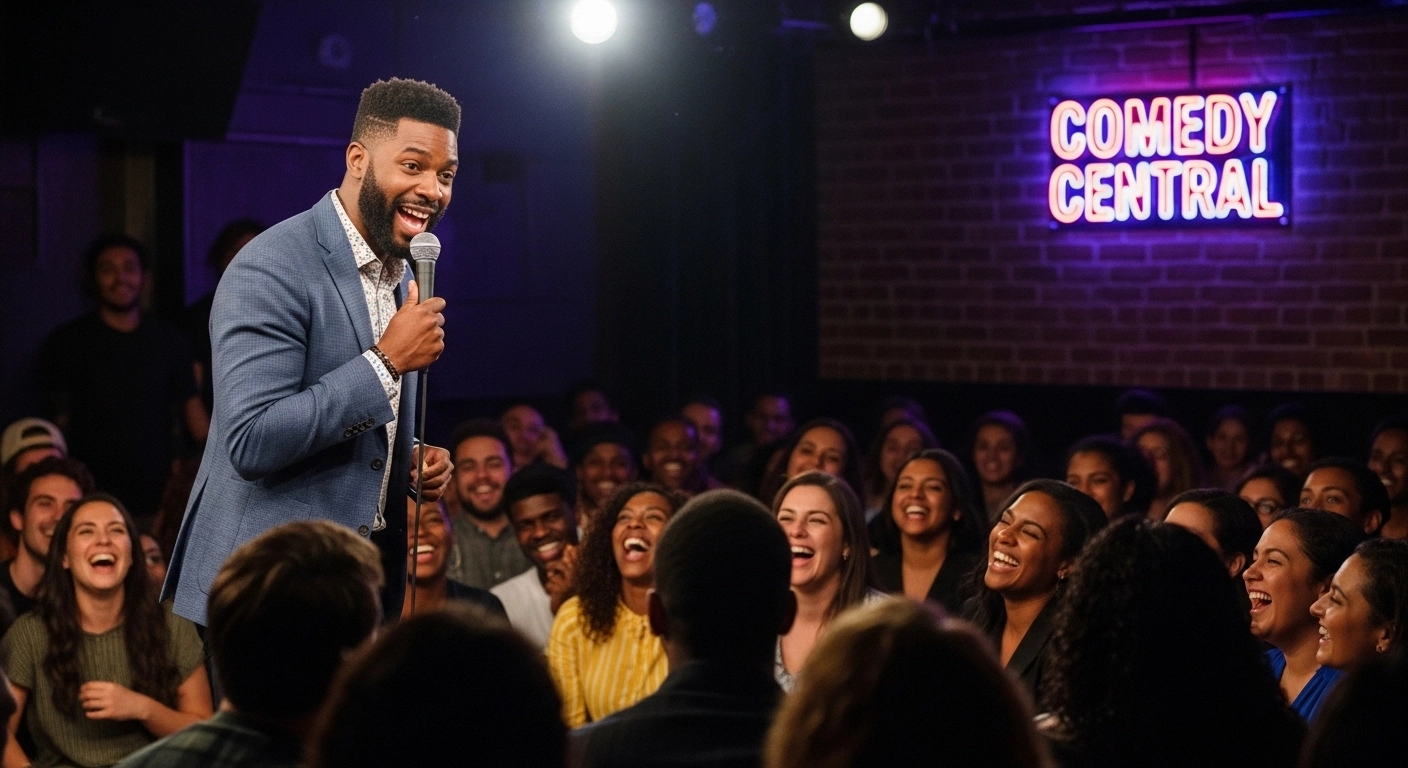
Humor is powerful. It can connect strangers, break awkward silence, and help people cope with difficult truths. But humor can also wound when it leans on stereotypes or painful histories. That’s why conversations around black people jokes are complicated, emotional, and deeply tied to culture, identity, and respect.
Many people searching this phrase online are not always looking to hurt others. Sometimes they’re curious about the history of racial humor. Sometimes they want to understand what’s considered offensive and why. Others are exploring how comedians navigate race in modern comedy.
The truth is that jokes about race exist in almost every culture. But when humor touches a community that has experienced discrimination, slavery, segregation, or systemic inequality, the line between funny and harmful becomes incredibly thin.
This article doesn’t exist to mock or stereotype anyone. Instead, it explores the psychology, culture, boundaries, and evolution of black people jokes in comedy and online culture. You’ll learn how humor intersects with race, how comedians approach the topic responsibly, and how audiences can understand the difference between laughter that connects people and laughter that divides them.
Let’s explore this topic thoughtfully, honestly, and with empathy.
Black People Jokes and the Complex History of Race in Comedy
- 🎭 Early comedy often used racial stereotypes as cheap laughs.
- 📜 Many black people jokes came from minstrel shows in the 1800s.
- 🎙️ Black comedians later reclaimed humor to challenge racism.
- 🎬 Film and television once normalized harmful racial punchlines.
- 📚 Historians study racial humor to understand social attitudes.
- 🧠 Humor often reflects the power structures of its time.
- 🎤 Comedy clubs became places where race conversations happened openly.
- 📺 Sitcoms gradually shifted toward more respectful representation.
- 🎟️ Stand-up comedians used storytelling instead of stereotypes.
- 🌍 Cultural context changes how audiences interpret jokes.
- 🧩 Many scholars view humor as a mirror of society.
- 🔍 Examining old black people jokes reveals evolving values.
- 🗣️ Communities began challenging jokes that reinforced prejudice.
- ✨ Modern comedy increasingly focuses on identity, not stereotypes.
Black People Jokes in Stand-Up Comedy and Cultural Commentary
- 🎤 Stand-up comedians often discuss race through personal stories.
- 😂 Humor can highlight absurdity in racial stereotypes.
- 🎭 Skilled comedians balance honesty with empathy.
- 📖 Many routines focus on shared experiences rather than insults.
- 🎙️ Comedy allows difficult social topics to be discussed safely.
- 🧠 Smart racial humor invites reflection, not humiliation.
- 👥 Audiences respond best when jokes feel authentic.
- 🌐 Global audiences interpret cultural humor differently.
- ✍️ Writers carefully craft jokes about identity and heritage.
- 🎟️ Comedy specials often explore race with nuance.
- 🧩 Self-deprecating humor sometimes replaces offensive stereotypes.
- 📊 Cultural awareness has changed what audiences accept.
- 🤝 Many comedians emphasize unity through shared laughter.
- 💬 Comedy can spark conversations about race and society.
Why Searches for Black People Jokes Reveal Cultural Curiosity
- 🔎 Search trends often reflect curiosity about sensitive topics.
- 🧠 People may be researching cultural boundaries in humor.
- 📱 Social media spreads jokes quickly across cultures.
- 🌍 Global audiences encounter humor from unfamiliar backgrounds.
- 📚 Students study racial humor in sociology courses.
- 🗨️ Online discussions examine what makes jokes offensive.
- 🧩 Curiosity sometimes leads to deeper cultural understanding.
- 💡 Some searches come from people researching comedy writing.
- 🧠 Humor analysis helps understand prejudice and bias.
- 📈 Viral content drives interest in controversial humor.
- 🗣️ Discussions about race often start with humor.
- 🤔 People seek clarity about what’s appropriate today.
- 🧭 Cultural exploration sometimes begins with comedy.
- 🌱 Awareness grows when people question stereotypes.
How Black People Jokes Shaped Internet Meme Culture
- 📱 Early internet forums circulated edgy humor widely.
- 😂 Memes sometimes borrowed stereotypes without context.
- 🌐 Global sharing made jokes spread rapidly.
- 📉 Backlash increased against insensitive meme formats.
- 🧠 Meme creators now think more about audience impact.
- 🔄 Online humor evolves faster than traditional comedy.
- 🗣️ Communities call out harmful jokes more quickly today.
- 📊 Social platforms enforce policies against hate speech.
- 💬 Comment sections often debate humor boundaries.
- 🧩 Context determines whether a joke feels offensive.
- 🌍 Cultural sensitivity became more visible online.
- 🧠 Memes now emphasize clever wordplay instead.
- 🎨 Creative humor replaces stereotype-based punchlines.
- ✨ Internet culture continues redefining acceptable humor.
The Psychology Behind Why People Laugh at Black People Jokes
- 🧠 Humor triggers dopamine in the brain.
- 😂 Surprise and contrast often create laughter.
- 📚 Cultural familiarity influences joke interpretation.
- 🧩 Stereotypes sometimes simplify complex realities.
- 🤔 People laugh when tension suddenly releases.
- 🎭 Comedy can challenge social discomfort.
- 🧠 Context determines whether laughter feels safe.
- 👥 Group dynamics affect humor reactions.
- 💡 Some jokes provoke reflection instead of laughter.
- 📊 Social psychology studies humor and bias together.
- 🧠 Empathy often changes how jokes are received.
- 🗣️ Conversation around jokes can reshape attitudes.
- 📚 Education increases sensitivity to harmful humor.
- ✨ Understanding humor psychology encourages thoughtful comedy.
When Black People Jokes Cross the Line Into Harm
- 🚫 Jokes that dehumanize people cause real harm.
- 🧠 Stereotypes reinforce unconscious bias.
- 📉 Repeated exposure normalizes discrimination.
- 💬 Hurtful jokes silence marginalized voices.
- ⚖️ Comedy loses power when empathy disappears.
- 🧩 Offensive humor often ignores historical context.
- 📚 Education helps identify harmful stereotypes.
- 👥 Audiences increasingly reject insensitive jokes.
- 🌍 Cultural awareness shifts humor standards.
- 🗣️ Communities speak out against disrespectful comedy.
- 📊 Media accountability has increased in recent years.
- 🧠 Humor works best when everyone feels included.
- 🤝 Respect strengthens comedy’s social role.
- ✨ Responsible humor creates connection instead of division.
How Black Comedians Redefined Black People Jokes Through Storytelling
- 🎤 Personal storytelling replaced stereotype punchlines.
- 📖 Life experiences became powerful comedic material.
- 🧠 Authentic voices resonated with audiences worldwide.
- 🌍 Cultural identity became central to routines.
- 😂 Humor highlighted shared human experiences.
- 🎭 Comedy exposed hypocrisy in racial stereotypes.
- 📚 Storytelling allowed deeper social commentary.
- 👥 Audiences connected emotionally with comedians.
- 🗣️ Honest dialogue emerged through humor.
- 🧩 Complex cultural issues became accessible.
- 🎬 Specials explored race with nuance and depth.
- 💬 Laughter became a bridge between communities.
- 🧠 Comedy empowered voices previously marginalized.
- ✨ Authentic humor reshaped conversations about race.
Black People Jokes and the Role of Cultural Context
- 🌍 Humor varies dramatically between cultures.
- 🧠 Context shapes how audiences interpret jokes.
- 📚 Historical awareness influences reactions.
- 👥 Community perspectives affect humor acceptance.
- 🎭 Insider humor differs from outsider humor.
- 🧩 Cultural references can confuse unfamiliar audiences.
- 📊 Global media spreads jokes beyond original context.
- 🗣️ Dialogue helps explain cultural nuances.
- 📱 Social media accelerates cross-cultural exposure.
- 🤔 Misunderstandings sometimes spark controversy.
- 📚 Education improves cultural literacy.
- 🧠 Humor becomes richer when context is understood.
- 🤝 Respectful curiosity builds cultural appreciation.
- ✨ Context transforms how jokes are perceived.
Why Modern Audiences Are Rethinking Black People Jokes
- 📚 Greater awareness of systemic racism exists today.
- 🧠 Social education influences humor tolerance.
- 🌍 Diverse audiences shape entertainment standards.
- 📊 Surveys show changing attitudes toward racial humor.
- 👥 Younger generations emphasize inclusivity.
- 🗣️ Online conversations challenge outdated jokes.
- 🎬 Media representation has improved gradually.
- 🤝 Cultural respect is increasingly valued.
- 🧩 Humor evolves alongside social progress.
- 🧠 Emotional intelligence reshapes comedy writing.
- 📱 Social media amplifies community voices.
- 📚 Schools discuss stereotypes more openly.
- 💬 Dialogue replaces silence around offensive humor.
- ✨ Modern comedy favors creativity over stereotypes.
Writing Comedy Without Relying on Black People Jokes
- ✍️ Observational humor works across cultures.
- 😂 Wordplay creates clever punchlines.
- 🎭 Situational comedy highlights everyday absurdities.
- 🧠 Relatable stories engage diverse audiences.
- 📚 Cultural celebration replaces stereotypes.
- 🌍 Universal experiences make powerful jokes.
- 🎤 Authentic storytelling resonates strongly.
- 🧩 Unexpected perspectives generate laughter.
- 📖 Personal mishaps often become funny anecdotes.
- 🤝 Inclusive humor builds audience connection.
- 🎬 Character-driven comedy creates memorable moments.
- 🧠 Emotional honesty deepens comedic impact.
- 💡 Creativity expands comedic possibilities.
- ✨ Respectful humor stands the test of time.
Black People Jokes and the Power of Inclusive Humor
- 🤝 Inclusive humor celebrates differences.
- 🌍 Cultural diversity enriches comedy.
- 🧠 Shared laughter builds social bridges.
- 📚 Respectful jokes encourage empathy.
- 🎭 Comedy becomes a tool for unity.
- 👥 Audiences appreciate thoughtful humor.
- 🧩 Inclusive comedy expands perspectives.
- 💬 Dialogue grows through laughter.
- 🎤 Comedians increasingly embrace cultural nuance.
- 📊 Studies show humor strengthens group bonding.
- 🧠 Positive humor reduces social tension.
- 🤝 Mutual respect enhances comedic impact.
- 🌱 Inclusive laughter encourages understanding.
- ✨ Humor thrives when everyone feels welcome.
Black People Jokes in Media, Movies, and Pop Culture
- 🎬 Films once relied heavily on racial stereotypes.
- 📺 Television gradually improved representation.
- 📚 Writers now prioritize cultural authenticity.
- 🧠 Audiences critique harmful portrayals quickly.
- 🌍 Global streaming exposes diverse storytelling.
- 🎭 Characters now reflect complex identities.
- 🧩 Comedy scripts undergo sensitivity review.
- 📊 Representation statistics influence production choices.
- 🗣️ Actors advocate for respectful storytelling.
- 🎟️ Comedy films evolve alongside social awareness.
- 📱 Online discussions shape media reception.
- 🤝 Collaboration with diverse creators improves authenticity.
- 🎬 Modern comedy explores culture thoughtfully.
- ✨ Entertainment slowly moves toward inclusive humor.
The Future Conversation Around Black People Jokes
- 🌱 Future comedy may emphasize shared humanity.
- 🧠 Cultural awareness will shape new humor styles.
- 📚 Education encourages thoughtful storytelling.
- 🎤 Comedians explore identity with nuance.
- 🌍 Global audiences demand respectful humor.
- 🧩 Creativity replaces outdated stereotypes.
- 📊 Data shows audiences favor inclusive comedy.
- 🗣️ Dialogue about race continues evolving.
- 🎭 Humor will remain a social mirror.
- 🤝 Empathy will guide comedic boundaries.
- 📱 Technology spreads conversations quickly.
- 🧠 Emotional intelligence influences joke writing.
- 🌟 Authentic voices will dominate comedy.
- ✨ Laughter will continue bringing people together.
FAQ About Black People Jokes
Are black people jokes always considered offensive?
Not always, but context matters greatly. Humor about race becomes offensive when it relies on stereotypes, dehumanizes people, or ignores historical discrimination. Some comedians discuss race thoughtfully through personal stories or social commentary. The difference lies in intent, perspective, and respect. Inclusive comedy invites audiences to reflect and connect, while harmful jokes reinforce prejudice. Modern audiences increasingly expect humor that is both funny and socially aware.
Why were black people jokes common in older comedy?
In earlier eras, entertainment often reflected the racial attitudes of society. Many early jokes appeared in minstrel shows, films, and television where stereotypes were normalized. At the time, mainstream audiences rarely questioned these portrayals. As society evolved and conversations about civil rights and equality expanded, audiences began recognizing the harmful impact of such humor. Today, those older jokes are often studied historically rather than celebrated.
Can comedians talk about race without offending people?
Yes, and many successful comedians do exactly that. The key is authenticity and empathy. Comedians who share personal experiences or explore cultural identity thoughtfully often create meaningful and hilarious material. Instead of mocking communities, they reveal universal truths about human behavior. When humor comes from lived experience rather than stereotypes, audiences usually respond positively.
Why do people still search for black people jokes online?
Search behavior doesn’t always reflect harmful intent. People might be researching comedy writing, studying cultural history, or exploring conversations about race in humor. Others may be curious about what’s considered acceptable today. As awareness grows, many people searching this topic are actually trying to understand where the line is between humor and harm.
How has social media changed conversations about racial humor?
Social media has dramatically accelerated discussions about comedy and culture. Jokes now reach global audiences instantly, and feedback arrives just as quickly. Communities can voice concerns, challenge stereotypes, and hold creators accountable. This environment encourages comedians and writers to think more carefully about how their humor might affect diverse audiences.
What makes humor inclusive rather than offensive?
Inclusive humor focuses on shared experiences rather than targeting identities. It celebrates human quirks, everyday struggles, and universal situations. It avoids stereotypes and respects cultural differences. Inclusive comedy invites everyone to laugh together rather than making one group the punchline.
Are black comedians allowed to joke about their own experiences?
Many comedians draw humor from their own cultural experiences and identities. When jokes come from lived experience, they often feel authentic and insightful. Audiences typically recognize the difference between self-expression and stereotyping. Comedy rooted in personal storytelling can create powerful and meaningful moments on stage.
How can audiences respond to jokes that feel uncomfortable?
If a joke feels uncomfortable, it’s okay to pause and reflect on why. Humor often reveals social attitudes, and discussing those reactions can be productive. Some audiences choose to give feedback, while others simply avoid supporting comedians whose humor they dislike. Open conversation about humor boundaries helps shape more thoughtful entertainment.
Conclusion
Humor has always been a reflection of society. The conversation around black people jokes reveals much more than simple punchlines—it shows how culture, history, identity, and empathy intersect in the world of comedy.
While some older jokes relied on stereotypes, modern audiences increasingly value humor that respects diversity and celebrates shared humanity. Today’s comedians often explore race through storytelling, insight, and honesty rather than mockery.
The future of comedy doesn’t lie in repeating harmful jokes. It lies in creativity, authenticity, and laughter that brings people together rather than pushing them apart.
Because the best humor—the kind that lasts—doesn’t divide people.
It connects them.

Ryan Mitchell, a Los Angeles-based writer, blends humor and creativity to craft pun-heavy content that entertains readers of all ages.