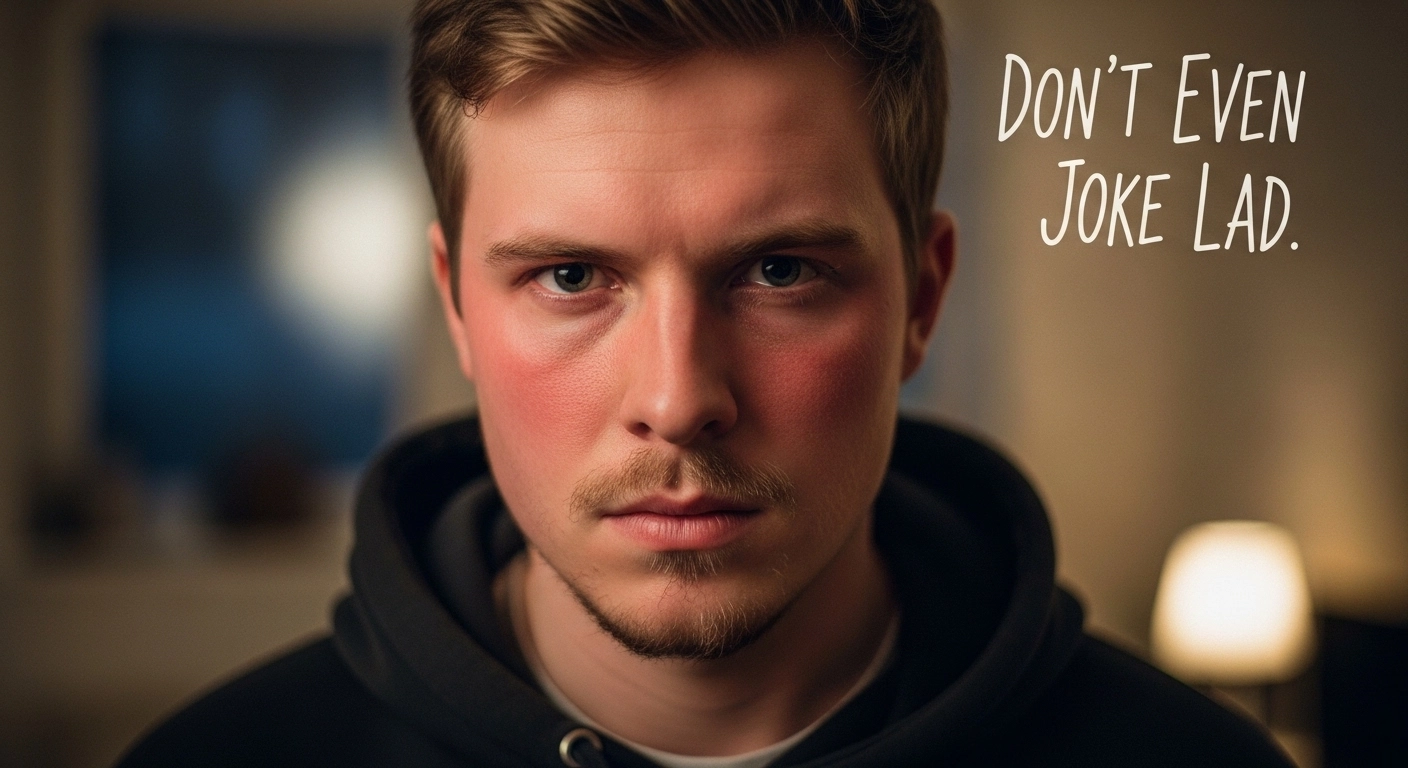
Some phrases slip into everyday conversation so casually that we forget how much emotion they carry. “Don’t even joke lad.” It sounds playful, maybe a little cheeky, maybe a little serious. Yet behind those three words lives a surprising mix of humor, warning, affection, and cultural personality.
Picture this: a group of friends laughing, someone pushes a joke a bit too far, and suddenly someone leans back with a grin and says, “Don’t even joke lad.” Everyone laughs again—but the message lands.
It’s part humor, part boundary, part personality.
Language like this works because it’s human, emotional, and socially intelligent. It communicates more than the literal words. Tone, context, and relationship all shape its meaning.
In this deep dive, we’ll explore how the phrase “don’t even joke lad” works psychologically, socially, emotionally, and culturally—and why it continues to resonate in conversations online and offline.
Why “Don’t Even Joke Lad” Instantly Signals Friendly Boundaries
- 😊 It softens confrontation while still making your point clear and respectful.
- 😅 It tells someone they’ve crossed a line—but without creating tension.
- 🤝 It keeps conversations friendly even when correcting behavior.
- 😌 It shows emotional intelligence in everyday dialogue.
- 🧠 The brain reads humor as a social buffer, reducing conflict.
- 😂 It often creates laughter right after the boundary is set.
- 🗣️ It communicates “I like you, but don’t push that joke.”
- 💬 It allows correction without sounding harsh or aggressive.
- 🫶 Friends recognize it as a playful warning, not criticism.
- 🎭 Tone changes everything—serious voice vs playful voice.
- 🪄 Humor helps preserve relationships in awkward moments.
- 💡 It’s a subtle way of saying “let’s change the topic.”
- 🌿 It keeps the emotional energy of the group balanced.
- 🧩 It works because people understand the social cues behind it.
When “Don’t Even Joke Lad” Becomes the Perfect Comeback
- 😏 It stops a joke instantly without sounding defensive.
- 🤭 It turns awkward moments into funny ones.
- 🎯 Timing makes it land perfectly in conversation.
- 😎 It gives you confidence without escalating tension.
- 🧠 Quick comebacks show strong conversational awareness.
- 😄 It flips the humor back onto the original speaker.
- 💬 Friends often respond with even more laughter.
- 🎭 It adds personality to casual social exchanges.
- 🫢 It can save someone from saying something worse.
- 🔄 The conversation usually shifts immediately afterward.
- 🤗 It keeps the mood light while redirecting attention.
- 💥 Short phrases often have the strongest impact.
- 🎉 Groups love phrases that become inside jokes.
- 🌟 Over time, it becomes a shared language between friends.
The Emotional Psychology Behind Saying “Don’t Even Joke Lad”
- 🧠 Humans instinctively protect emotional boundaries.
- ❤️ Humor allows protection without damaging relationships.
- 😅 Laughter reduces stress hormones during conflict.
- 🤝 Friendly warnings maintain social harmony.
- 💬 Tone communicates intention more than words themselves.
- 😌 Playful correction prevents embarrassment.
- 🌿 Emotional intelligence shows in subtle phrasing choices.
- 🪞 People mirror conversational tone subconsciously.
- 🎭 Humor disguises serious emotional reactions.
- 🧩 It balances honesty with kindness.
- 💡 It signals awareness of social dynamics.
- 😊 It shows the speaker values the relationship.
- 🫶 Emotional nuance makes everyday language powerful.
- 🌟 That’s why the phrase sticks in memory.
How “Don’t Even Joke Lad” Strengthens Friendships
- 🤗 Shared humor builds emotional bonds.
- 😄 Playful warnings feel like insider language.
- 🎉 It creates moments people remember.
- 🧠 Social humor reinforces group identity.
- 💬 Friends often repeat phrases they love.
- 🫶 The phrase feels affectionate rather than strict.
- 🎭 Humor allows honesty without hurting feelings.
- 😂 Group laughter strengthens emotional connection.
- 🌿 It shows mutual understanding between people.
- 🧩 The phrase becomes part of shared culture.
- 😊 Everyone recognizes the playful seriousness.
- 🤝 Trust grows through comfortable communication.
- 💡 Small expressions can build lasting memories.
- 🌟 That’s how simple phrases shape friendships.
Why “Don’t Even Joke Lad” Works So Well in Online Conversations
- 💬 Short phrases thrive on social media platforms.
- 😂 Memes often use playful warnings like this.
- 📱 It reads clearly even without voice tone.
- 🧠 Internet humor loves exaggerated reactions.
- 😅 It fits perfectly in comment sections.
- 🎭 It signals sarcasm or mock seriousness.
- 🤭 Many people recognize the phrase instantly.
- 🌍 Online communities spread phrases quickly.
- 💡 Humor travels faster than serious language.
- 🧩 Simple wording makes it easy to quote.
- 🎉 Users enjoy repeating catchy expressions.
- 🗣️ It becomes part of digital slang culture.
- 😎 Screenshots and memes amplify it further.
- 🌟 That’s how phrases go viral online.
Cultural Humor and the Charm of Saying “Don’t Even Joke Lad”
- 🌍 Many cultures love playful teasing.
- 😄 Humor often reflects regional personality.
- 🗣️ Words like “lad” feel casual and friendly.
- 🎭 Cultural slang adds emotional flavor.
- 🤝 It signals belonging within a social group.
- 😊 Local expressions create shared identity.
- 🧠 Humor styles vary around the world.
- 🌿 Friendly sarcasm is popular in many communities.
- 🎉 Cultural phrases become part of everyday speech.
- 💬 They carry tone even without explanation.
- 🫶 People adopt expressions they emotionally connect with.
- 😅 Humor crosses cultural boundaries easily.
- 💡 Slang evolves naturally through conversation.
- 🌟 That’s why phrases like this spread widely.
How Tone Changes the Meaning of “Don’t Even Joke Lad”
- 😄 Playful tone makes it funny.
- 😐 Serious tone makes it a warning.
- 🎭 Voice inflection shapes emotional interpretation.
- 🧠 Humans read tone faster than words.
- 💬 Context determines the message.
- 😅 A smile instantly softens the phrase.
- 🤨 Without humor it feels stricter.
- 🫶 Friends understand tone intuitively.
- 🎯 Timing influences how it lands.
- 🌿 Gentle delivery keeps conversations comfortable.
- 😂 Dramatic delivery increases comedic effect.
- 🧩 Tone is the secret ingredient of humor.
- 😊 Emotional awareness improves communication.
- 🌟 That’s why delivery matters.
Social Situations Where “Don’t Even Joke Lad” Fits Perfectly
- 😂 When someone exaggerates a story too much.
- 😅 When a friend teases you about something sensitive.
- 🎉 During playful group banter.
- 🤭 When jokes get slightly risky.
- 💬 During light-hearted debates.
- 🧠 When humor needs gentle boundaries.
- 😎 When someone mocks you jokingly.
- 🎭 During friendly arguments.
- 🫶 When protecting someone else in the group.
- 🌿 When humor starts crossing comfort zones.
- 😄 During competitive games between friends.
- 💡 When redirecting conversation smoothly.
- 🤝 When keeping group harmony intact.
- 🌟 It works almost anywhere humor exists.
Why Humor Makes “Don’t Even Joke Lad” So Memorable
- 🧠 The brain remembers humorous phrases longer.
- 😂 Laughter strengthens memory formation.
- 🎭 Dramatic reactions make language fun.
- 💬 Catchy wording sticks easily.
- 😅 Repetition reinforces recognition.
- 🤭 Shared laughter creates emotional imprint.
- 🌿 Humor reduces conversational tension.
- 🧩 Funny phrases become inside jokes.
- 😊 People repeat what makes them smile.
- 🎉 Humor builds positive social associations.
- 🧠 Emotional language improves recall.
- 😎 Personality-driven phrases stand out.
- 💡 Short sentences travel quickly.
- 🌟 That’s why humor keeps them alive.
The Subtle Confidence Behind Saying “Don’t Even Joke Lad”
- 😎 It shows comfort in social situations.
- 🧠 Confidence allows playful boundaries.
- 💬 Calm humor feels self-assured.
- 🎯 Direct phrases demonstrate clarity.
- 😊 It signals emotional stability.
- 🤝 Confidence strengthens friendships.
- 🎭 Humor often hides strong self-awareness.
- 🌿 It shows you’re not easily rattled.
- 😅 People respect calm reactions.
- 💡 Humor demonstrates social skill.
- 🧩 Balanced responses build trust.
- 🫶 Friends admire confident personalities.
- 😄 It turns awkwardness into charm.
- 🌟 That confidence becomes contagious.
How “Don’t Even Joke Lad” Reflects Emotional Intelligence
- 🧠 Emotional intelligence means reading the room.
- 💬 The phrase adjusts humor without conflict.
- 🤝 It respects both sides of the conversation.
- 😅 It corrects behavior gently.
- 🌿 It prevents unnecessary arguments.
- 🎭 Humor hides emotional awareness.
- 😊 It shows understanding of group dynamics.
- 🧩 Social cues guide the response.
- 💡 Kind language protects relationships.
- 😄 People feel safer around emotionally aware friends.
- 🫶 Empathy shapes playful responses.
- 🎯 Smart humor keeps conversations healthy.
- 🤭 Emotional balance keeps groups happy.
- 🌟 That’s true social intelligence.
The Internet Meme Potential of “Don’t Even Joke Lad”
- 😂 Meme culture loves exaggerated reactions.
- 📱 Short quotes fit meme templates perfectly.
- 🎭 Reaction images amplify humor.
- 💬 Comment threads repeat the phrase endlessly.
- 😅 Screenshots spread fast online.
- 🧠 Memes thrive on relatable moments.
- 🎉 Internet humor rewards simplicity.
- 😎 Dramatic delivery increases shareability.
- 🌍 Global audiences understand playful sarcasm.
- 🤭 Humor crosses language barriers easily.
- 💡 Memes turn phrases into pop culture.
- 🧩 Social media fuels viral slang.
- 😊 Users enjoy quoting memorable lines.
- 🌟 That’s how phrases become trends.
How “Don’t Even Joke Lad” Shows Personality in Conversation
- 😎 It signals playful confidence.
- 😂 It shows you enjoy humor.
- 💬 Your tone reflects your personality.
- 🎭 Expressive reactions add charm.
- 🧠 Humor reveals emotional awareness.
- 😊 Friends remember witty responses.
- 🌿 Personality-driven speech feels authentic.
- 🤝 It builds memorable interactions.
- 🫶 People enjoy expressive communicators.
- 🎉 Playful language energizes conversations.
- 💡 Humor reveals creativity.
- 😅 Social comfort shows through jokes.
- 🧩 Words shape how others perceive you.
- 🌟 Personality makes phrases powerful.
Why “Don’t Even Joke Lad” Will Always Stay Relevant
- 🧠 Humor never goes out of style.
- 😂 Playful warnings exist in every generation.
- 💬 Casual slang evolves but feelings remain.
- 🤝 Friendships always involve teasing.
- 😊 Short phrases remain easy to share.
- 🎭 Humor adapts to new social platforms.
- 🌿 Emotional language keeps conversations human.
- 🧩 Cultural slang constantly refreshes itself.
- 💡 People love expressive reactions.
- 🎉 Online communities amplify fun expressions.
- 😅 Relatable humor never disappears.
- 🫶 Friendly boundaries are timeless.
- 😎 Confidence and wit stay attractive.
- 🌟 That’s why the phrase continues to thrive.
Frequently Asked Questions
What does “don’t even joke lad” really mean?
The phrase “don’t even joke lad” is typically a playful yet slightly serious response to a joke or comment that feels a little too close to the line. It communicates a boundary without sounding aggressive. Instead of confronting someone harshly, the phrase uses humor and tone to signal, “Alright, that’s enough.” In most cases, it’s said among friends or acquaintances and is meant to keep the mood light while still correcting the conversation. The power of the phrase lies in its emotional nuance—half joke, half warning.
Is “don’t even joke lad” meant to be serious or funny?
It can actually be both. In most casual situations, “don’t even joke lad” is delivered with a smile or playful tone, making it humorous. However, the phrase still carries a subtle message: someone has crossed a conversational boundary. This balance is why it works so well socially. Humor softens the seriousness, while the seriousness keeps the humor from going too far. People use it because it allows them to express discomfort or disagreement without escalating the situation into an argument.
Why do people use phrases like “don’t even joke lad” in conversations?
People use phrases like “don’t even joke lad” because they’re socially efficient. Instead of giving a long explanation about why a joke went too far, the phrase quickly communicates a reaction. Humor acts as a protective layer that keeps the conversation relaxed. These types of expressions also strengthen group dynamics. Over time, they become part of shared language among friends, making conversations feel more natural and emotionally connected.
Is “don’t even joke lad” considered slang?
Yes, “don’t even joke lad” is often considered informal slang. The word “lad” itself carries a casual, friendly tone commonly associated with British or Irish conversational style. Slang phrases like this spread quickly because they’re easy to remember and emotionally expressive. In many cases, people adopt them simply because they sound fun and relatable. Over time, phrases like this can become part of online culture, memes, or everyday speech among friends.
When should you say “don’t even joke lad”?
You can use “don’t even joke lad” when someone makes a playful comment that’s slightly uncomfortable or exaggerated. It’s particularly effective in friendly settings where humor is already part of the conversation. The key is tone. If delivered with a smile or lighthearted voice, it maintains the playful vibe while redirecting the discussion. However, if said too seriously, it might sound like a strong warning. Context and delivery are everything.
Why do short phrases like “don’t even joke lad” become popular?
Short phrases become popular because they are easy to repeat, memorable, and emotionally expressive. “Don’t even joke lad” works especially well because it combines humor, reaction, and personality in just a few words. Social media also accelerates the popularity of these phrases. Memes, screenshots, and comment sections often turn everyday expressions into widely recognized internet slang. The simpler the phrase, the easier it spreads.
Does “don’t even joke lad” show humor or confidence?
Interestingly, it shows both. When someone says “don’t even joke lad,” it usually demonstrates social confidence. The speaker isn’t offended or upset—they’re calmly setting a boundary with humor. This type of response reflects emotional intelligence and conversational awareness. Instead of reacting defensively, the speaker chooses wit and timing. That balance between humor and assertiveness often makes the phrase feel charming and memorable.
Can phrases like “don’t even joke lad” strengthen friendships?
Absolutely. Inside jokes and playful expressions are part of how friendships grow stronger. When a group of friends repeatedly uses a phrase like “don’t even joke lad,” it becomes a shared cultural reference. These moments create laughter, memories, and a sense of belonging. Over time, even small expressions like this contribute to group identity and bonding. It’s not just about the words—it’s about the shared experience behind them.
Why does humor make phrases like “don’t even joke lad” memorable?
Humor activates emotional memory. When people laugh, their brains release chemicals that strengthen memory formation. That’s why phrases tied to funny moments stick in our minds longer. “Don’t even joke lad” often appears during humorous interactions, making it emotionally memorable. The phrase also works because it’s short, expressive, and dramatic enough to stand out in conversation.
Is “don’t even joke lad” used more online or offline?
It appears in both spaces. Offline, friends might say “don’t even joke lad” during playful conversations or teasing moments. Online, the phrase thrives in comments, memes, and reaction posts. Social media often amplifies expressive language because short, funny phrases are easy to share. As a result, expressions like this move freely between digital conversations and real-life interactions.
Final Thoughts
Sometimes the smallest phrases carry the biggest personality.
“Don’t even joke lad” is more than just a reaction—it’s a perfect mix of humor, emotional awareness, confidence, and social intelligence. It protects boundaries while keeping conversations playful, which is exactly why people love using it.
In a world full of complicated communication, simple phrases that make people laugh—and think—will always have power.
And honestly… when someone pushes the joke just a little too far, sometimes the best response is still the simplest one:
Don’t even joke lad.
