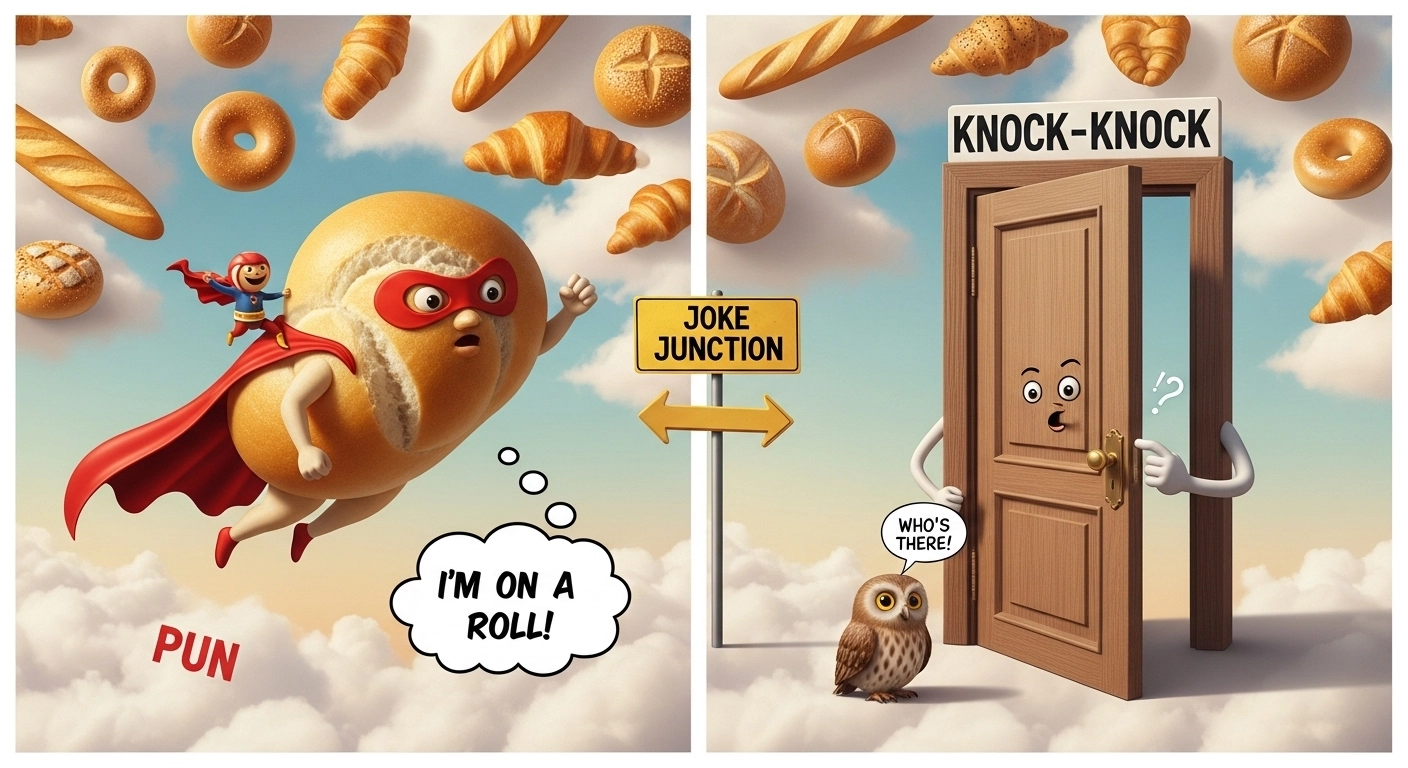
Humor is one of the most beautifully human things we share. A joke can break the ice in an awkward room, turn strangers into friends, or make a hard day feel lighter. But if you’ve ever wondered what the difference between jokes actually is, you’re not alone. Some jokes make us burst into laughter, others feel clever and witty, and some simply make us groan.
So why do jokes feel different? Why does a dad joke land differently than a sarcastic remark? Why do some jokes feel warm and playful while others feel edgy or intellectual?
Understanding what the difference between jokes is goes beyond just comedy. It touches psychology, storytelling, culture, timing, and even emotional intelligence. Humor isn’t just entertainment it’s communication.
In this deep dive, we’ll explore the subtle and fascinating layers behind jokes. By the end, you’ll understand how humor works, why different jokes hit differently, and how to recognize the many styles of comedy that shape the way we laugh.
Understanding What the Difference Between Jokes Is When Humor Meets Human Emotion
- Humor connects people through shared emotional release 😂
- Jokes differ based on emotional tone and intention ❤️
- Some jokes comfort, others challenge thinking 🤔
- Emotional relatability shapes how jokes land 🎯
- Playful humor builds trust between people 🤝
- Sharp humor can create tension or surprise ⚡
- Gentle jokes soothe social anxiety 😊
- Dark jokes process uncomfortable feelings 🖤
- Self-deprecating jokes create vulnerability 💬
- Observational jokes reflect everyday life 👀
- Cultural humor builds identity and belonging 🌍
- Emotional timing makes humor powerful ⏱️
- Empathy helps people understand certain jokes 💡
- The best jokes balance emotion and cleverness ✨
Exploring What the Difference Between Jokes Is in Structure and Storytelling
- Some jokes follow classic setup-punchline structure 🎭
- Others rely on quick one-liners ⚡
- Story jokes build suspense gradually 📖
- Anti-jokes purposely avoid expected punchlines 😅
- Wordplay jokes twist language creatively 🧩
- Call-back jokes reference earlier humor 🔁
- Situational jokes emerge from context 🎬
- Visual jokes rely on imagery 👁️
- Timing often matters more than wording ⏰
- Surprise endings create laughter bursts 💥
- Longer jokes build narrative tension 🧵
- Short jokes deliver instant humor ⚡
- Absurd jokes ignore logical structure 🤪
- Clever jokes reward attentive listeners 🎯
Breaking Down What the Difference Between Jokes Is in Types of Comedy
- Dad jokes rely on cheesy wordplay 🧀
- Dark humor explores uncomfortable truths 🌑
- Satire mocks social issues intelligently 🎯
- Slapstick jokes depend on physical comedy 🤕
- Observational humor highlights daily life 👀
- Sarcastic jokes flip meaning ironically 😏
- Irony creates humor through contrast 🔄
- Parody imitates famous ideas comically 🎭
- Self-mocking jokes create relatability 🙃
- Political jokes critique power structures 🏛️
- Dry humor uses subtle delivery 🌵
- Pun jokes twist language cleverly 🧠
- Absurd humor celebrates nonsense 🤡
- Storytelling humor blends narrative and punchlines 📚
Revealing What the Difference Between Jokes Is in Timing and Delivery
- Perfect timing multiplies humor impact ⏱️
- Slow pauses build comedic tension 😶
- Fast delivery increases surprise ⚡
- Tone of voice shapes interpretation 🎤
- Facial expressions amplify jokes 😄
- Body language reinforces punchlines 🕺
- Silence can become part of humor 🤫
- Comedic rhythm guides audience reactions 🎶
- Delivery confidence strengthens jokes 💪
- Overexplaining often kills humor 😬
- Timing creates anticipation 🎯
- Improvisation adds spontaneous humor 🎭
- Audience mood influences timing 🌦️
- Skilled comedians control comedic pacing 🎬
Discovering What the Difference Between Jokes Is Across Cultures
- Humor varies dramatically worldwide 🌎
- Cultural references shape understanding 📚
- Language puns rarely translate well 🔤
- Social norms influence acceptable jokes ⚖️
- Some cultures prefer subtle humor 🌸
- Others embrace loud comedic styles 🎉
- Shared experiences create cultural jokes 🤝
- Local slang shapes punchlines 🗣️
- Cultural taboos affect humor boundaries 🚧
- Global media blends comedy styles 📺
- Internet humor spreads rapidly 🌐
- Cultural humor builds identity 🧬
- Traditions influence comedic storytelling 🎎
- Cross-cultural humor requires sensitivity 💡
Analyzing What the Difference Between Jokes Is Through Psychology
- Humor triggers dopamine in the brain 🧠
- Surprise activates laughter response 😲
- Cognitive shifts create humor recognition 🔄
- Jokes reward pattern recognition 🧩
- Social laughter builds connection 🤗
- Humor relieves psychological stress 🌿
- Shared jokes strengthen group bonds 👥
- Humor helps process difficult topics 🛠️
- Clever jokes stimulate intellectual pleasure 📘
- Unexpected twists spark amusement ⚡
- Relatable humor increases engagement 🎯
- Brain predicts punchlines subconsciously 🔍
- Broken expectations create laughter 😂
- Humor reflects emotional intelligence 💭
Understanding What the Difference Between Jokes Is Between Wit and Comedy
- Wit relies on sharp intelligence 🧠
- Comedy often builds bigger narratives 🎬
- Witty jokes are quick and clever ⚡
- Comedy may include storytelling 📖
- Wit thrives in conversation 💬
- Comedy performs for audiences 🎤
- Witty remarks feel spontaneous 🎯
- Comedy often rehearses timing 🎭
- Wit uses subtle wordplay 🧩
- Comedy embraces exaggerated situations 🤹
- Witty jokes reward fast thinkers 🧠
- Comedy welcomes broader audiences 🌍
- Wit feels elegant and refined ✨
- Comedy can be playful chaos 🤡
Examining What the Difference Between Jokes Is in Language and Wordplay
- Puns manipulate similar sounding words 🔤
- Double meanings create clever twists 🧠
- Misinterpretations produce comic confusion 🤯
- Homophones fuel wordplay humor 🧩
- Language ambiguity builds punchlines 🎯
- Unexpected phrasing surprises listeners ⚡
- Rhythmic wording improves jokes 🎶
- Clever metaphors create laughter 🌈
- Reversed meanings produce irony 🔄
- Unexpected comparisons trigger humor 😂
- Simplicity strengthens wordplay jokes ✂️
- Short phrases increase punchline power 💥
- Playful exaggeration amplifies jokes 📢
- Language creativity fuels endless humor 🔥
Learning What the Difference Between Jokes Is Between Light Humor and Dark Humor
- Light humor feels cheerful and friendly 🌞
- Dark humor explores serious themes 🌑
- Gentle jokes comfort audiences 😊
- Dark jokes challenge emotional boundaries ⚡
- Light humor suits social gatherings 🥳
- Dark humor often sparks controversy 🔥
- Friendly jokes build positive energy 💛
- Dark humor reveals uncomfortable truths 🖤
- Light jokes are widely acceptable 🌼
- Dark jokes require careful context ⚖️
- Humor tolerance varies widely 👥
- Emotional readiness affects reactions 💭
- Dark humor can relieve tension 🌧️
- Balance prevents offense while staying funny 🎯
Discovering What the Difference Between Jokes Is in Audience Reactions
- Laughter intensity reveals humor success 😂
- Smiles indicate subtle amusement 🙂
- Groans often follow cheesy jokes 😅
- Silence signals confusion or offense 🤐
- Audience personality shapes reactions 👤
- Group dynamics amplify laughter 👥
- Shared humor builds social bonding 🤝
- Cultural understanding affects response 🌍
- Age influences humor preferences 🎂
- Mood impacts joke reception 🌦️
- Surprise laughter feels spontaneous ⚡
- Anticipation enhances punchlines ⏳
- Collective laughter spreads quickly 🔄
- Memorable jokes spark repeated laughter 🔁
Breaking Down What the Difference Between Jokes Is in Internet Humor
- Memes combine visuals and punchlines 🖼️
- Viral jokes spread through relatability 🌐
- Short humor dominates social platforms 📱
- Internet slang reshapes comedy language 🗣️
- Reaction images amplify jokes 😆
- Timing of trends matters ⏰
- Shareable jokes gain digital traction 🚀
- Visual humor spreads faster 👀
- Sarcasm thrives online 😏
- Niche humor communities exist 🌱
- Fast content cycles evolve humor 🔄
- Memes remix older jokes 🎨
- Social media fuels participatory humor 🤳
- Online humor builds digital culture 🌍
Understanding What the Difference Between Jokes Is in Social Settings
- Friendly jokes ease introductions 👋
- Workplace humor builds team morale 💼
- Romantic humor sparks attraction 💕
- Family jokes create traditions 🏡
- Group humor strengthens friendships 🤝
- Gentle teasing builds familiarity 😉
- Inside jokes deepen relationships 🔐
- Context determines appropriate humor ⚖️
- Social awareness prevents awkwardness 👀
- Shared experiences inspire jokes 🎯
- Humor breaks conversational tension 🧊
- Playful humor encourages openness 🌷
- Good jokes respect boundaries 🚧
- Laughter strengthens emotional connection ❤️
Investigating What the Difference Between Jokes Is Between Classic and Modern Humor
- Classic jokes rely on storytelling 📖
- Modern humor favors quick punchlines ⚡
- Old jokes follow predictable formats 🧵
- New humor experiments creatively 🎨
- Classic comedy uses character archetypes 🎭
- Modern humor references pop culture 📺
- Timeless jokes rely on human truths 💡
- Contemporary jokes use digital slang 💬
- Classic humor unfolds slowly 🕰️
- Modern jokes demand instant impact 🚀
- Traditional humor values structure 🧩
- New humor embraces absurd randomness 🤪
- Classic jokes remain nostalgic 🎞️
- Modern humor evolves rapidly 🔄
Realizing What the Difference Between Jokes Is When Humor Becomes Connection
- Humor breaks emotional barriers 💬
- Shared laughter builds intimacy ❤️
- Jokes signal trust and safety 🤝
- Playful teasing shows affection 😉
- Humor reduces social anxiety 🌿
- Couples bond through inside jokes 💕
- Friends remember funny moments 📸
- Humor softens difficult conversations 🧊
- Laughter strengthens emotional resilience 💪
- Jokes express personality 🎭
- Humor spreads positive energy ✨
- Laughter builds unforgettable memories 📚
- Humor encourages openness 🌷
- The best jokes make people feel seen 💡
FAQ: Understanding What the Difference Between Jokes Is
What is the main difference between different types of jokes?
The main difference between jokes comes down to structure, intention, and delivery. Some jokes rely on wordplay, such as puns, while others depend on storytelling, sarcasm, or surprise endings. For example, a dad joke usually uses simple wordplay, while satire critiques social issues with humor. Audience expectations also shape how jokes are received. Timing, tone, and cultural context further influence how a joke works. In simple terms, the difference between jokes lies in how they create surprise, relatability, and emotional response in listeners.
Why do some jokes make people laugh while others do not?
People laugh at jokes when the humor creates an unexpected mental shift. If the listener quickly understands the twist or irony, the brain rewards that recognition with laughter. However, if the joke is confusing, offensive, poorly timed, or culturally unfamiliar, the reaction may be silence instead. Personal taste also plays a huge role. Someone who enjoys sarcasm may love dry humor, while another person may prefer playful or silly jokes. Humor is deeply personal, which explains why not every joke lands with every audience.
Are dad jokes different from regular jokes?
Yes, dad jokes have a distinct comedic style. They usually rely on simple puns, obvious wordplay, and intentionally cheesy punchlines. The humor often comes from how predictable or awkward the joke feels. Unlike complex comedy routines, dad jokes are short and easy to understand, which makes them accessible to all ages. The playful groans they create are part of the charm. In many ways, dad jokes highlight how humor doesn’t always need to be clever or sophisticated—it just needs to create a shared moment of laughter.
Why do cultural differences affect jokes?
Humor is closely tied to language, traditions, and shared experiences. A joke that depends on slang, cultural references, or social norms might make perfect sense in one country but feel confusing in another. For example, wordplay often gets lost when translated into different languages. Cultural humor also reflects values and taboos, meaning some jokes may feel funny in one culture but inappropriate in another. Understanding cultural context helps people appreciate the subtle differences in humor styles across the world.
What role does timing play in telling a joke?
Timing is one of the most important elements of humor. A well-timed pause before the punchline builds anticipation and increases the impact of the joke. If the punchline arrives too early or too late, the surprise element may disappear. Skilled comedians carefully control pacing, tone, and pauses to guide the audience’s reaction. Even in casual conversations, the moment when a joke is delivered can determine whether it feels hilarious or awkward. Great timing turns an ordinary joke into a memorable one.
Why do people enjoy dark humor?
Dark humor allows people to process uncomfortable topics through laughter. By presenting serious or taboo subjects in a humorous way, dark jokes can reduce emotional tension and make difficult realities easier to discuss. However, this type of humor depends heavily on context and audience sensitivity. Some people find it cathartic and insightful, while others feel uncomfortable with it. The difference lies in personal experience, emotional readiness, and cultural attitudes toward controversial topics.
How do inside jokes work in relationships?
Inside jokes develop from shared experiences and private memories between people. Because only certain individuals understand the context, these jokes create a sense of exclusivity and emotional connection. Couples, families, and close friends often build inside jokes over time, turning ordinary moments into recurring humor. These jokes strengthen relationships because they remind people of shared history and trust. In many ways, inside jokes act like emotional shorthand—one small phrase can trigger laughter and memories instantly.
Can anyone become better at telling jokes?
Yes, humor is a skill that can improve with practice. Learning how jokes work—especially timing, structure, and delivery—helps people tell jokes more effectively. Observing comedians, experimenting with wordplay, and paying attention to audience reactions can refine comedic instincts. Confidence also plays a big role. Even a simple joke can become funny when delivered naturally and with good timing. Over time, developing humor becomes less about memorizing jokes and more about understanding how laughter happens.
Conclusion
Understanding what the difference between jokes truly is reveals something beautiful about human connection. Jokes aren’t just punchlines—they’re expressions of culture, emotion, creativity, and personality. From clever wordplay and sarcastic wit to storytelling humor and playful dad jokes, every style of comedy reflects a different way humans process the world.
When we laugh together, barriers fade. Strangers become friends, tension melts away, and ordinary moments turn unforgettable. That’s the magic of humor.
So the next time someone tells a joke—whether it’s brilliantly clever or wonderfully cheesy—you’ll understand what the difference between jokes really is: the unique ways they surprise us, connect us, and remind us that laughter is one of the most human things we share.
