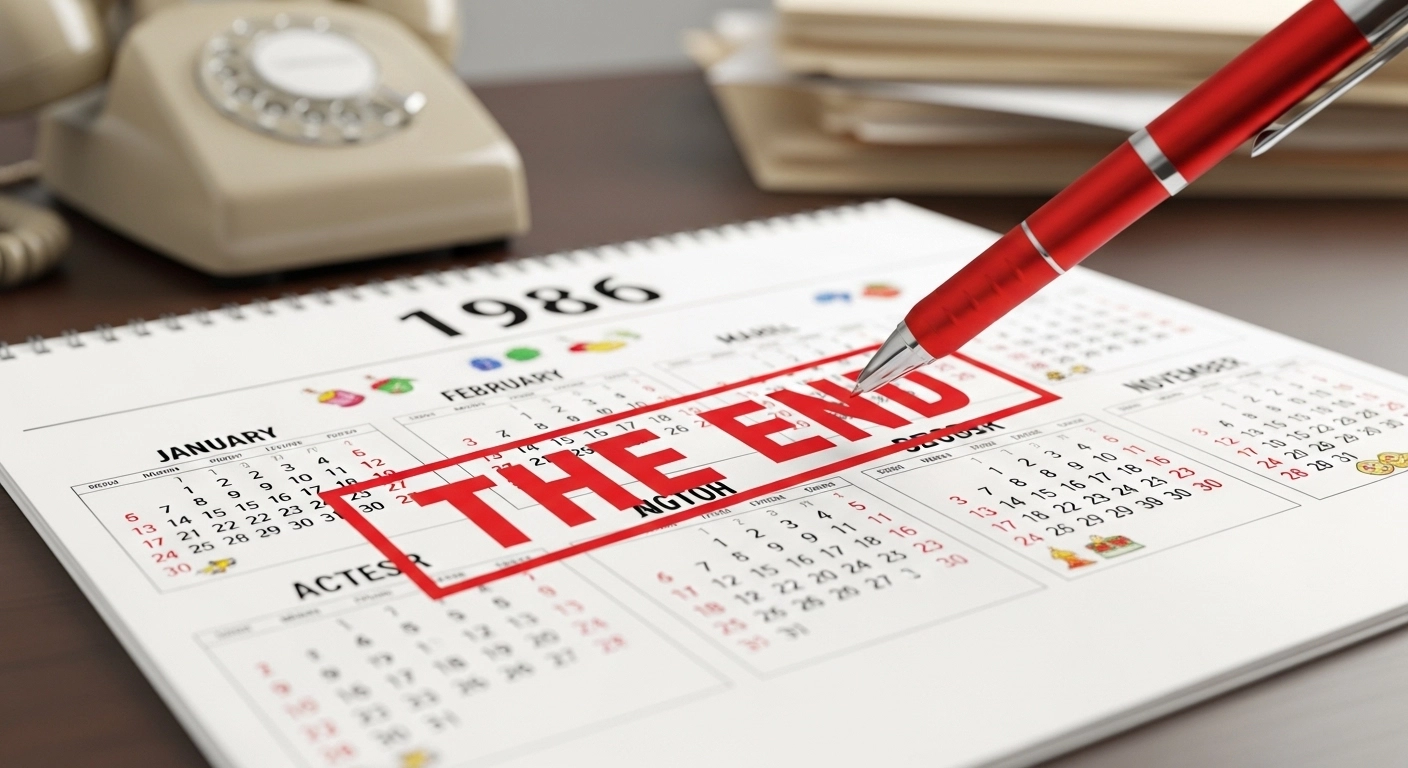
Some jokes are quick chuckles. Others become tiny legends on the internet.
The “what ended in 1986 joke” is one of those strange little gems. At first glance, it feels like a riddle about history. Maybe a big event? The end of a political era? Something dramatic?
But then the punchline lands… and suddenly you’re laughing at how simple it is.
That’s the magic of this joke. It plays with expectations, wordplay, and curiosity. Your brain starts searching for meaning, only to discover the humor was hiding in plain sight all along.
In this article, we’ll explore the psychology, structure, popularity, and cultural impact of the what ended in 1986 joke. If you love clever humor, language tricks, and the way simple jokes go viral, you’re in for a fun ride.
Why the What Ended in 1986 Joke Still Makes People Smile Today
- 😊 It uses misdirection, making your brain expect a historical answer.
- 🤔 The setup feels like trivia, which instantly sparks curiosity.
- 😂 The punchline reveals the joke is about words, not history.
- 🧠 Our brains enjoy solving small puzzles like this.
- 💡 The humor appears instantly once you understand the twist.
- 📱 It spreads easily in texts, memes, and social posts.
- 😄 The simplicity makes it easy for anyone to understand.
- 🎯 The joke proves clever humor doesn’t need complexity.
- 🗣️ People love sharing jokes that make others say “Wait… what?”
- 🌍 Language-based jokes work across many cultures.
- ⏳ The year 1986 feels random, which adds curiosity.
- 🧩 The mind enjoys the sudden “aha” moment.
- 🎉 It’s a safe joke suitable for all ages.
- 📚 Wordplay humor has always been popular throughout history.
The Real Punchline Behind the What Ended in 1986 Joke
- 😄 The answer: “The letter X.”
- ✏️ The word “1986” ends with the letter X when spelled “nineteen eighty-six.”
- 🤯 Many people don’t realize the joke is about spelling.
- 🔍 The trick is focusing on language instead of events.
- 🧠 It’s a classic linguistic misdirection joke.
- 😂 People laugh because the answer feels obvious afterward.
- 🧩 The setup encourages overthinking.
- 📖 It shows how English spelling can create humor.
- 🎯 The best jokes hide in plain sight.
- 💡 The humor lies in unexpected simplicity.
- 🤭 People often groan before laughing.
- 🗣️ It’s perfect for quick conversation starters.
- 📱 It works well in meme format.
- 🎉 The punchline is small but satisfying.
How the What Ended in 1986 Joke Uses Classic Misdirection
- 🎭 Misdirection makes you think about history or events.
- 🧠 Your brain searches memory for something from 1986.
- 📚 It feels like a trivia question.
- 🤔 The brain loves solving puzzles quickly.
- 😂 Then the punchline flips the expectation.
- 💡 Humor appears when expectation meets surprise.
- 🔄 This is a common technique in stand-up comedy.
- 🎯 The setup creates a false assumption.
- 🧩 Your mind tries solving the wrong puzzle.
- 😄 When the real answer appears, it feels silly.
- 🗣️ That realization creates laughter.
- 🎭 Wordplay humor often uses this trick.
- 📱 It’s perfect for short-form internet jokes.
- 🌟 Simple misdirection often works best.
The Psychology Behind the What Ended in 1986 Joke
- 🧠 The brain enjoys pattern recognition.
- 🤔 Curiosity is triggered by unanswered questions.
- 😂 Humor releases tension after confusion.
- 💡 The punchline resolves the mental puzzle.
- 😄 Laughter often follows sudden understanding.
- 🧩 Small puzzles create micro dopamine rewards.
- 📚 Linguistic humor activates language processing.
- 🎯 Surprise is essential for comedy.
- 🗣️ Social sharing reinforces the humor.
- 😊 Light humor boosts mood instantly.
- 🤭 Groan-worthy jokes are surprisingly memorable.
- 🌟 The brain likes clever simplicity.
- 🔍 Unexpected logic makes jokes stick.
- 🎉 Humor strengthens social bonding.
Why the What Ended in 1986 Joke Works So Well Online
- 📱 It’s extremely short and shareable.
- 😂 Quick jokes perform well on social media.
- 💬 Comment sections fill with guesses.
- 🤔 People enjoy trying to solve it first.
- 🎯 It sparks engagement and reactions.
- 📊 Viral jokes often involve curiosity hooks.
- 😄 The punchline is easy to remember.
- 🔁 People repost it frequently.
- 📸 Meme creators adapt it into graphics.
- 🗣️ It spreads through group chats quickly.
- 🎭 The humor works in text form.
- 🌍 Language puzzles cross borders easily.
- 💡 Short jokes match modern attention spans.
- 🚀 Viral humor thrives on simplicity.
Funny Variations of the What Ended in 1986 Joke
- 😂 “What ended in 1999?”
- 😄 “What ended in 2020?”
- 🤭 “What ended in 1776?”
- 🎭 Variations change the year but keep the punchline style.
- 📚 Some versions use other words ending with letters.
- 🧠 It becomes a mini word puzzle game.
- 🎯 Each version keeps the misdirection element.
- 😆 People love creating new versions.
- 💬 Friends challenge each other with it.
- 📱 Social media encourages creative twists.
- 🗣️ The joke evolves through conversation.
- 🔄 Humor survives by adapting.
- 🎉 The structure is endlessly flexible.
- 🌟 Wordplay jokes inspire creativity.
The Linguistic Charm of the What Ended in 1986 Joke
- 🧠 It highlights English spelling quirks.
- 📚 Language is full of hidden humor.
- 😄 Word endings create unexpected jokes.
- 🔍 Phonetics sometimes trick the brain.
- 🎯 Spelling-based humor is timeless.
- 🤔 Many jokes rely on word interpretation.
- 🗣️ Language games have existed for centuries.
- 😂 Puns often use similar tricks.
- 📖 The joke shows how context shapes meaning.
- 💡 Words can hide playful surprises.
- 🎭 Linguistic humor rewards careful thinking.
- 🌟 Even numbers can become funny.
- 🧩 Word structure creates comedic potential.
- 🎉 Language itself becomes the punchline.
When to Use the What Ended in 1986 Joke in Conversation
- 😄 Icebreaker during awkward silence.
- 🗣️ Quick joke in casual conversation.
- 📱 Text message humor.
- 🎉 Party trivia moments.
- 😆 Light classroom humor.
- 🤭 Friendly teasing games.
- 💬 Social media captions.
- 🎭 Comedy storytelling.
- 📚 Teaching language humor.
- 🧩 Puzzle-style conversation starters.
- 😊 Making someone smile quickly.
- 🗣️ Group chat entertainment.
- 🌟 Humor in presentations.
- 🎯 Breaking tension with clever wit.
Why the What Ended in 1986 Joke Is Perfect for Wordplay Lovers
- 🧠 Wordplay fans enjoy language tricks.
- 📚 It’s similar to classic riddles.
- 🎯 The punchline depends on wording.
- 😄 Puns and riddles share the same spirit.
- 🧩 The brain enjoys decoding it.
- 😂 It’s short but mentally engaging.
- 💡 Wordplay creates surprising humor.
- 🤭 Clever jokes feel satisfying.
- 🗣️ Language lovers appreciate the twist.
- 🌟 It shows how flexible words can be.
- 📖 Linguistic humor never gets old.
- 😆 It inspires more word games.
- 🎭 Wordplay humor often becomes viral.
- 🎉 Simple tricks create big laughs.
The Cultural Life of the What Ended in 1986 Joke
- 🌍 Internet culture spreads jokes globally.
- 📱 Memes help jokes travel fast.
- 🗣️ People translate the joke into different languages.
- 😄 Word-based humor adapts across cultures.
- 🎭 Online forums keep jokes alive.
- 📚 Humor archives preserve classic jokes.
- 😂 Viral humor becomes digital folklore.
- 🤔 Curiosity-based jokes spark discussion.
- 🎯 The simplicity ensures longevity.
- 🧠 Clever jokes survive longer.
- 💬 Social sharing builds cultural relevance.
- 🌟 Even tiny jokes can become legends.
- 🎉 Humor connects people everywhere.
- 📖 Internet jokes become modern storytelling.
How Kids and Adults Both Enjoy the What Ended in 1986 Joke
- 😊 Kids enjoy solving simple riddles.
- 😂 Adults appreciate clever wordplay.
- 🧠 It’s easy enough for young minds.
- 📚 Teachers use similar jokes in class.
- 🎯 Family-friendly humor matters.
- 🤭 Kids love the surprise ending.
- 😄 Adults enjoy the clever twist.
- 🗣️ It sparks laughter across generations.
- 🎉 Shared humor strengthens bonds.
- 📱 Parents share it with children online.
- 🌟 It’s a wholesome joke.
- 🤔 Everyone enjoys small puzzles.
- 😂 Simple jokes often last longest.
- 🧩 It’s humor anyone can understand.
The Hidden Genius of the What Ended in 1986 Joke
- 🧠 It shows how assumptions shape thinking.
- 🎭 Comedy often hides in language structure.
- 🤔 The joke tricks logical thinking.
- 💡 Cleverness beats complexity.
- 😂 Minimal words create maximum effect.
- 📚 Humor can teach linguistic awareness.
- 🎯 Simplicity often wins in comedy.
- 🧩 Puzzle humor keeps minds active.
- 😄 It’s intellectually playful.
- 🌟 Great jokes are surprisingly small.
- 📖 The punchline rewards curiosity.
- 🗣️ It invites conversation.
- 🎉 Humor thrives on surprise.
- 🤭 The smartest jokes feel effortless.
Creative Ways to Turn the What Ended in 1986 Joke Into a Meme
- 📸 Use bold text images.
- 😂 Add reaction faces.
- 🎭 Create guessing slides.
- 📱 Use TikTok reveal formats.
- 💬 Encourage comment guesses.
- 🎉 Turn it into a quiz post.
- 🤔 Use dramatic countdown reveals.
- 🧩 Make puzzle graphics.
- 😄 Pair it with confused memes.
- 🎯 Add “Wait for it…” captions.
- 📚 Educational meme formats.
- 🌟 Use animated punchlines.
- 😂 Create relatable reaction gifs.
- 🚀 Viral humor loves suspense.
Lessons the What Ended in 1986 Joke Teaches About Humor
- 🧠 Humor often hides in language.
- 🎭 Expectation is key to comedy.
- 😂 Surprise triggers laughter.
- 💡 Simplicity beats complexity.
- 📚 Wordplay is timeless.
- 🧩 Puzzles engage audiences.
- 🎯 Curiosity hooks attention.
- 🤭 Clever twists create memorable jokes.
- 🗣️ Short jokes spread faster.
- 🌍 Universal humor works best.
- 📱 Internet culture amplifies jokes.
- 😄 Small laughs matter.
- 🎉 Humor connects people.
- 🌟 Great jokes never truly end.
FAQ About the What Ended in 1986 Joke
What is the punchline to the what ended in 1986 joke?
The punchline is “the letter X.” The joke tricks you into thinking about events in 1986. However, the humor comes from wordplay. When the number 1986 is written as “nineteen eighty-six,” it ends with the letter X. The joke works because your brain expects a historical answer, but the punchline reveals the question was really about spelling.
Why do people find the what ended in 1986 joke funny?
The humor comes from misdirection and surprise. Your brain starts searching for historical events or facts related to 1986. When the answer turns out to be a simple letter, the sudden shift in thinking creates a humorous moment. This mental twist is a classic technique used in riddles and wordplay jokes.
Is the what ended in 1986 joke considered a riddle?
Yes, many people treat it like a wordplay riddle. The setup asks a question that appears factual, but the answer relies on language interpretation rather than knowledge. This combination of curiosity and surprise makes it similar to traditional riddles that trick the mind.
Why did the what ended in 1986 joke go viral online?
The joke became popular because it is short, surprising, and easy to share. Social media platforms love quick humor that sparks curiosity. People often repost the joke and ask friends to guess the answer, which naturally increases engagement and discussion.
Can the what ended in 1986 joke work with other years?
Yes, similar jokes can be created with other numbers or words. The key is using spelling or letter endings to create a clever twist. Many internet users enjoy inventing new variations that follow the same pattern.
Is the what ended in 1986 joke appropriate for kids?
Absolutely. The joke is family-friendly and educational because it relies on language and spelling. Teachers sometimes use similar riddles to help students think creatively about words and problem-solving.
What type of humor is the what ended in 1986 joke?
It belongs to wordplay humor and linguistic comedy. This style of humor plays with spelling, pronunciation, or meaning. Other examples include puns, riddles, and clever language puzzles.
Why do wordplay jokes like the what ended in 1986 joke stay popular?
Wordplay jokes stay popular because they combine curiosity, puzzle-solving, and surprise. These elements keep the brain engaged. Since they’re short and easy to remember, people naturally share them with friends, keeping the joke alive for years.
Conclusion
The beauty of the what ended in 1986 joke lies in its simplicity. It tricks the brain, sparks curiosity, and then delivers a tiny punchline that feels both silly and clever at the same time.
In a world full of complicated humor and long setups, this joke reminds us that sometimes the smartest laughs come from the simplest ideas.
A single question.
A tiny twist.
And suddenly… everyone is smiling.
That’s the quiet genius of the what ended in 1986 joke.
